


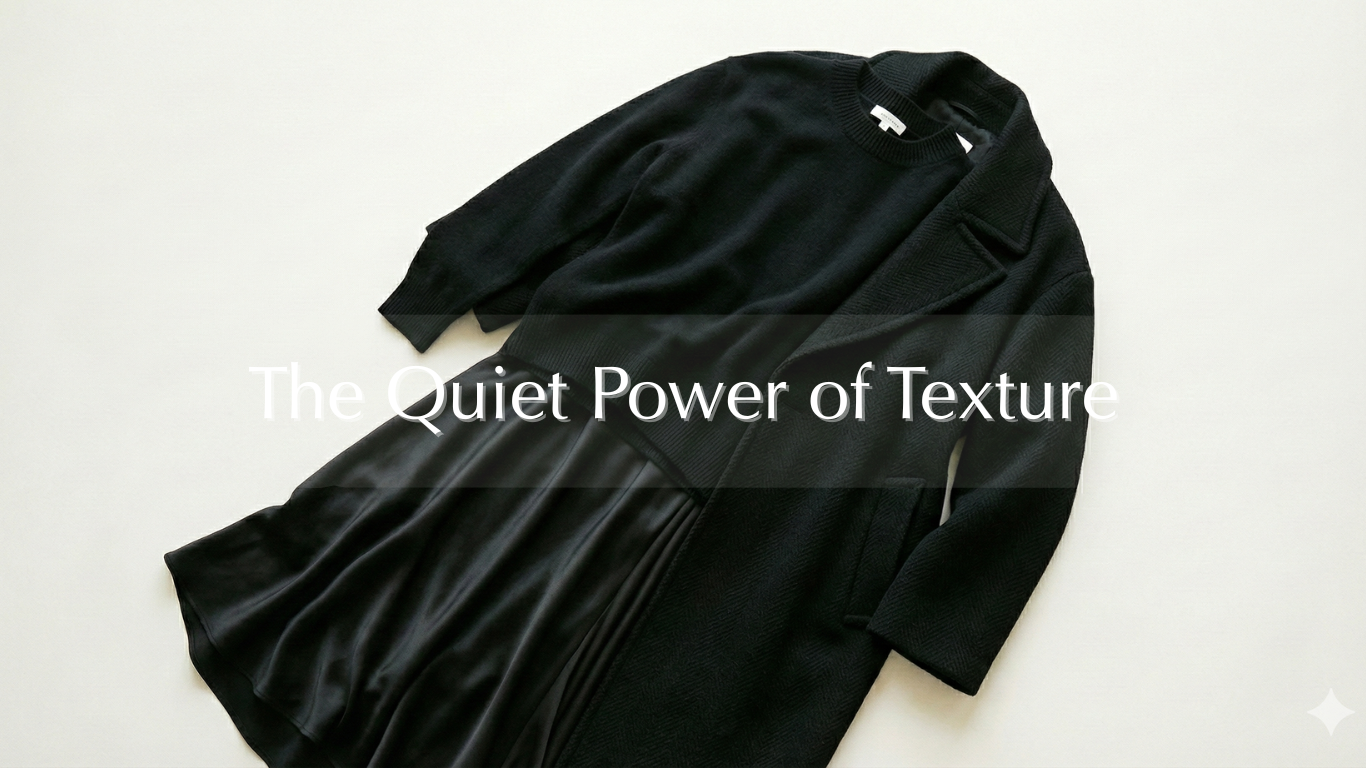
Monochromatic outfits are often associated with elegance and ease. They can look refined, calm, and intentional — but they can also feel flat or unfinished. The difference is rarely about the colour itself.
It comes down to texture.
When colour is reduced, texture becomes the main tool that gives an outfit depth, movement, and visual interest. Understanding how this works allows you to use monochrome with intention — not as a “rule,” but as a choice.
Why Texture Matters in Monochromatic Outfits
When an outfit uses a single colour (or stays within the same colour family), the eye can’t rely on contrast created by hue. Instead, it looks for contrast through:
-
fabric finishes
-
weight and structure
-
how materials absorb or reflect light
Without this variation, even a well-cut outfit can feel visually flat.
Look 1: The Flat Monochrome (Why It Can Feel Incomplete)
Example:
-
Cotton T-shirt
-
Cotton trousers
-
Same colour, same finish
Why it feels flat:
-
Both fabrics absorb light in a similar way
-
There’s little visual hierarchy
-
The eye moves across the outfit without stopping
This doesn’t mean the outfit is “wrong.” It simply reads as minimal without being especially intentional.
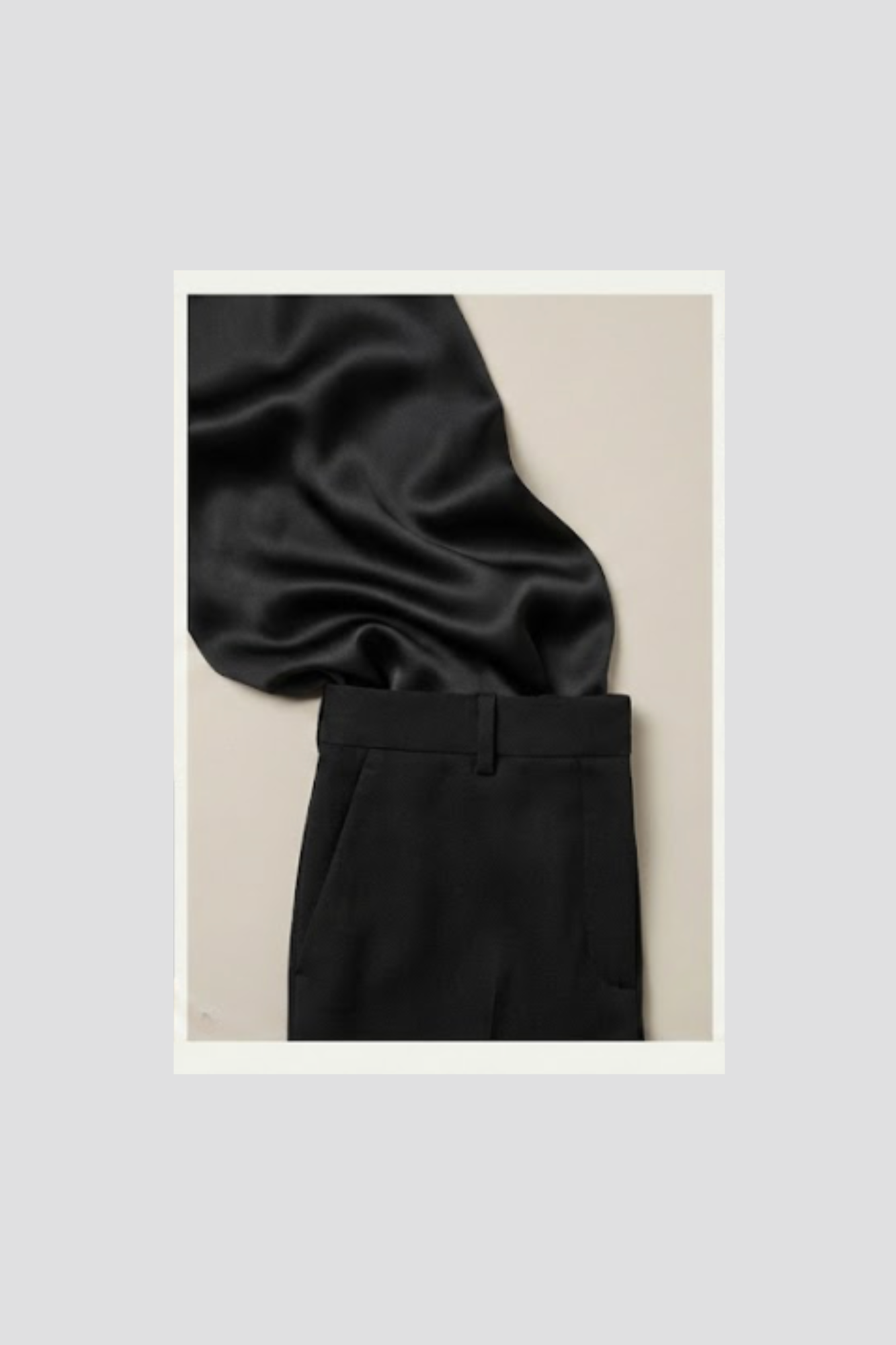
Look 2: Mixed Textures (Why It Instantly Feels More Luxe)
Example:
-
Fine knit top
-
Leather trousers or skirt
-
Silk or satin layer
Why this works:
-
Knit adds softness and absorbs light
-
Leather reflects light and brings structure
-
Silk introduces fluidity and movement
Even though the colour stays the same, the outfit gains dimension. The eye has multiple surfaces to engage with, which naturally reads as more elevated.

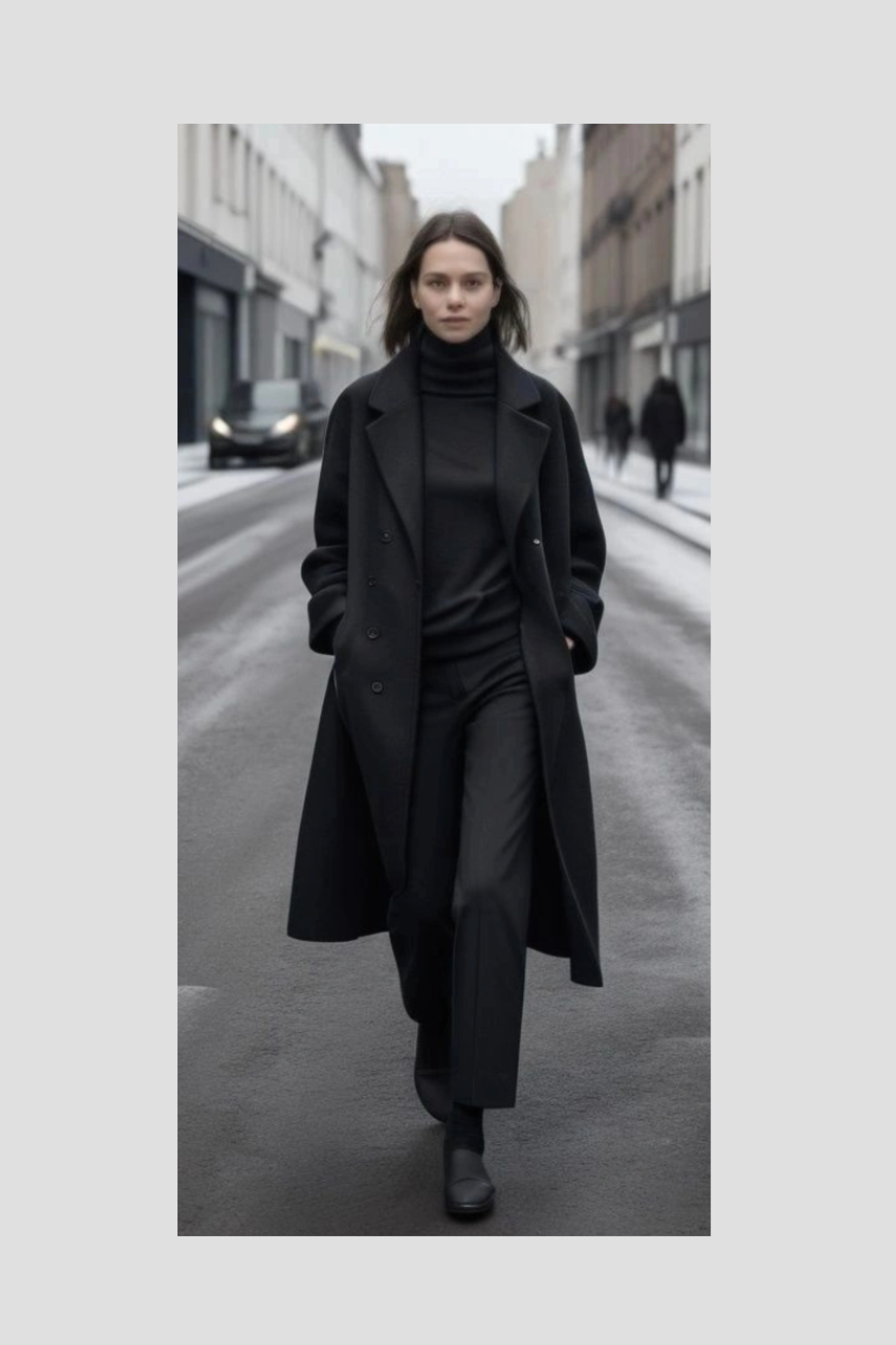
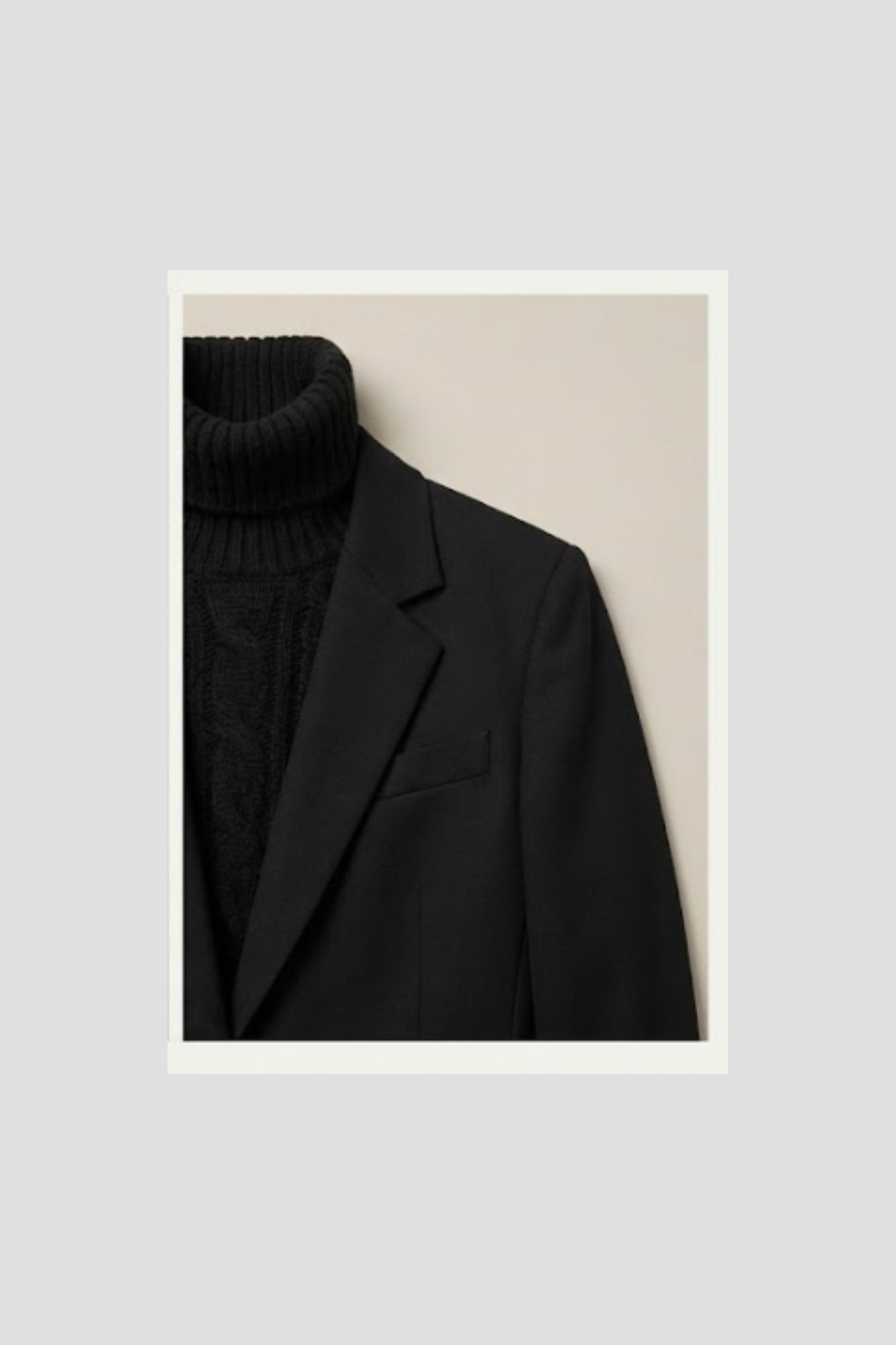
Look 3: Soft + Structured (The Most Wearable Approach)
Example:
-
Soft knit base
-
Structured coat or blazer
-
Smooth wool or leather bottoms
Why this works:
-
Soft textures keep the look approachable
-
Structure adds clarity and polish
-
The contrast creates balance without feeling overdone
This combination is especially effective for everyday contexts — work, travel, and casual plans — because it feels composed but easy.

How to Apply This Without Overthinking
Monochrome doesn’t require more clothing or more accessories. It requires clearer decisions.
Instead of asking:
“How do I make this outfit more interesting?”
Ask:
“Where is the contrast?”
-
matte vs subtle shine
-
soft vs structured
-
fluid vs tailored
If everything feels the same to the touch, it will usually look the same to the eye.
The Takeaway
Monochromatic outfits work best when they rely on texture, not excess. If colour is quiet, your materials need to speak.
Leather with knit.
Silk with wool.
A structured layer over something soft.
Less colour. More depth. That’s where elegance lives.

A Final Note: Monochrome Isn’t for Everyone — and That’s the Point
Monochromatic dressing is not a universal style rule.
Some people feel most like themselves in contrast, prints, colour, or bold combinations. Others are drawn to restraint and subtlety. Neither is better — they simply communicate differently.
Monochrome works best when it reflects:
-
your personality
-
your lifestyle
-
how you like to express yourself
If dressing in one colour feels restrictive or uninspiring, this is not something you need to “master.” Style isn’t about doing what looks elevated on someone else — it’s about choosing what feels aligned for you.
And if monochrome does feel like you, texture is what makes it feel alive.