



One of the most valuable shifts in personal style isn’t discovering something new —
it’s recognising what already works and trusting it.
Many wardrobe frustrations come from trying to dress outside of our natural style direction: forcing trends, copying looks that feel right on others, or constantly reinventing instead of refining.
There isn’t one correct way to dress well.
But there are style directions that tend to work — when they feel like you.
Below, each style direction is analysed in depth: what defines it, what to prioritise, and how to make it your own.
1. The Classic Style Direction
What defines it
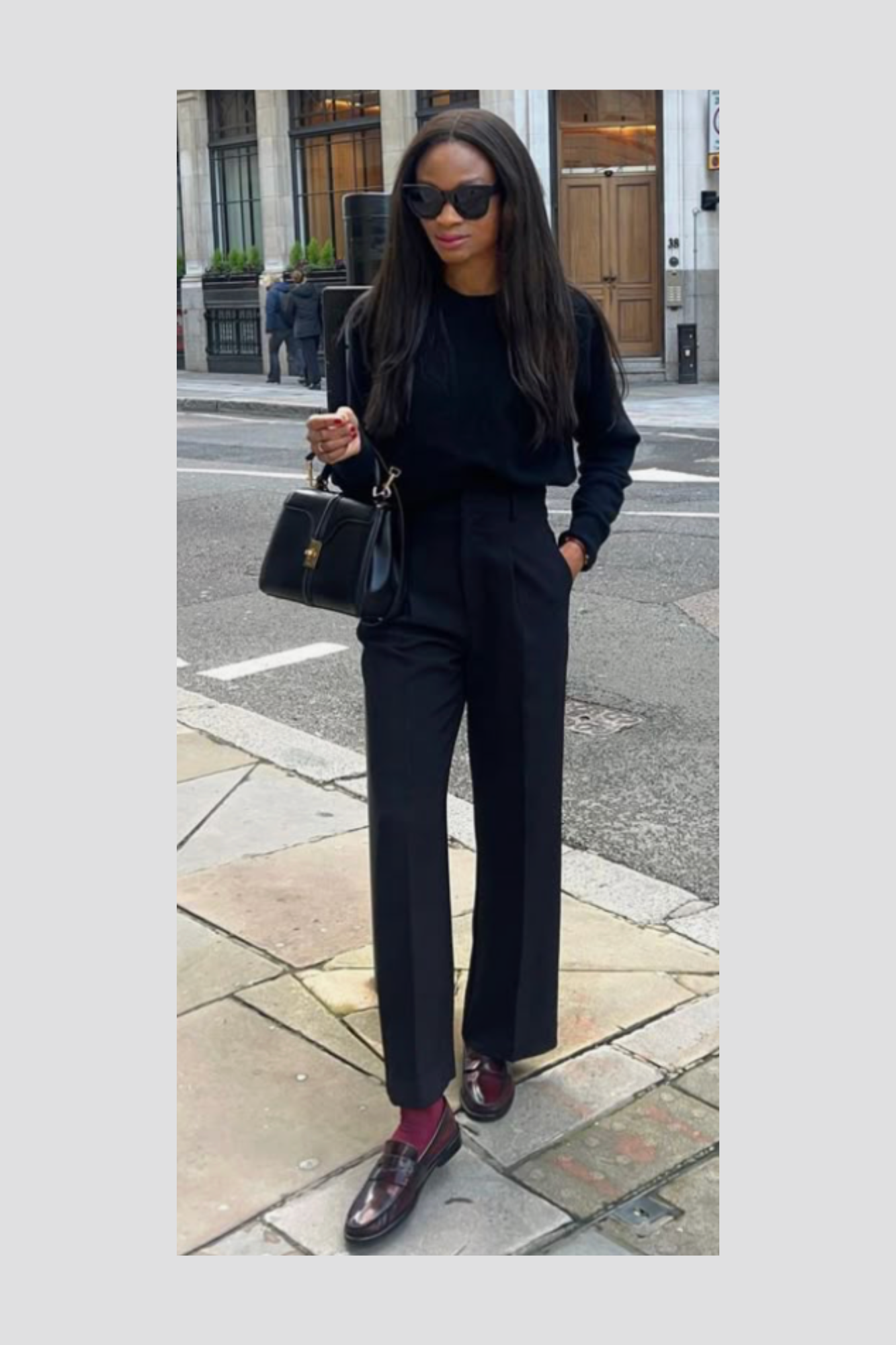
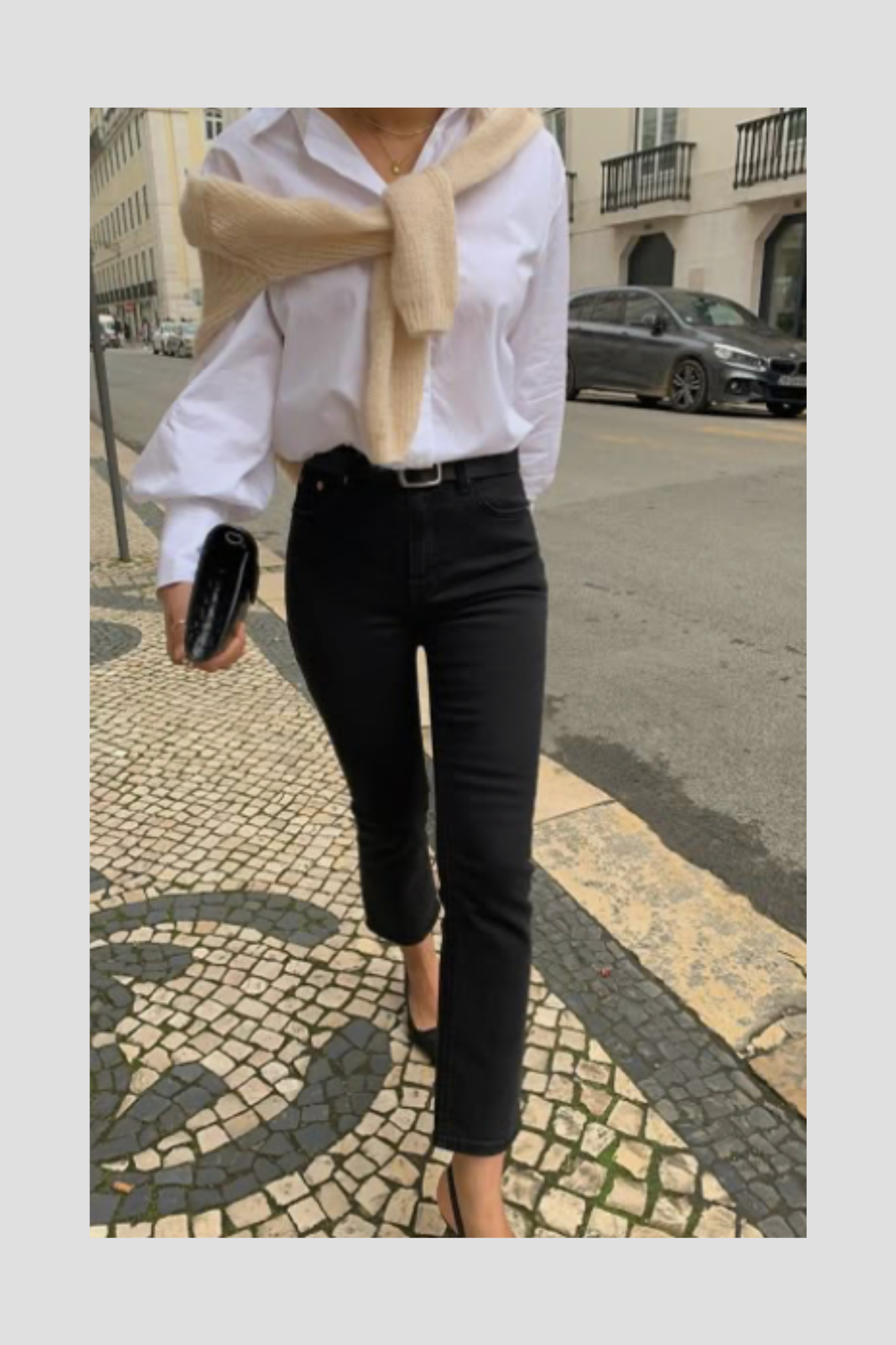
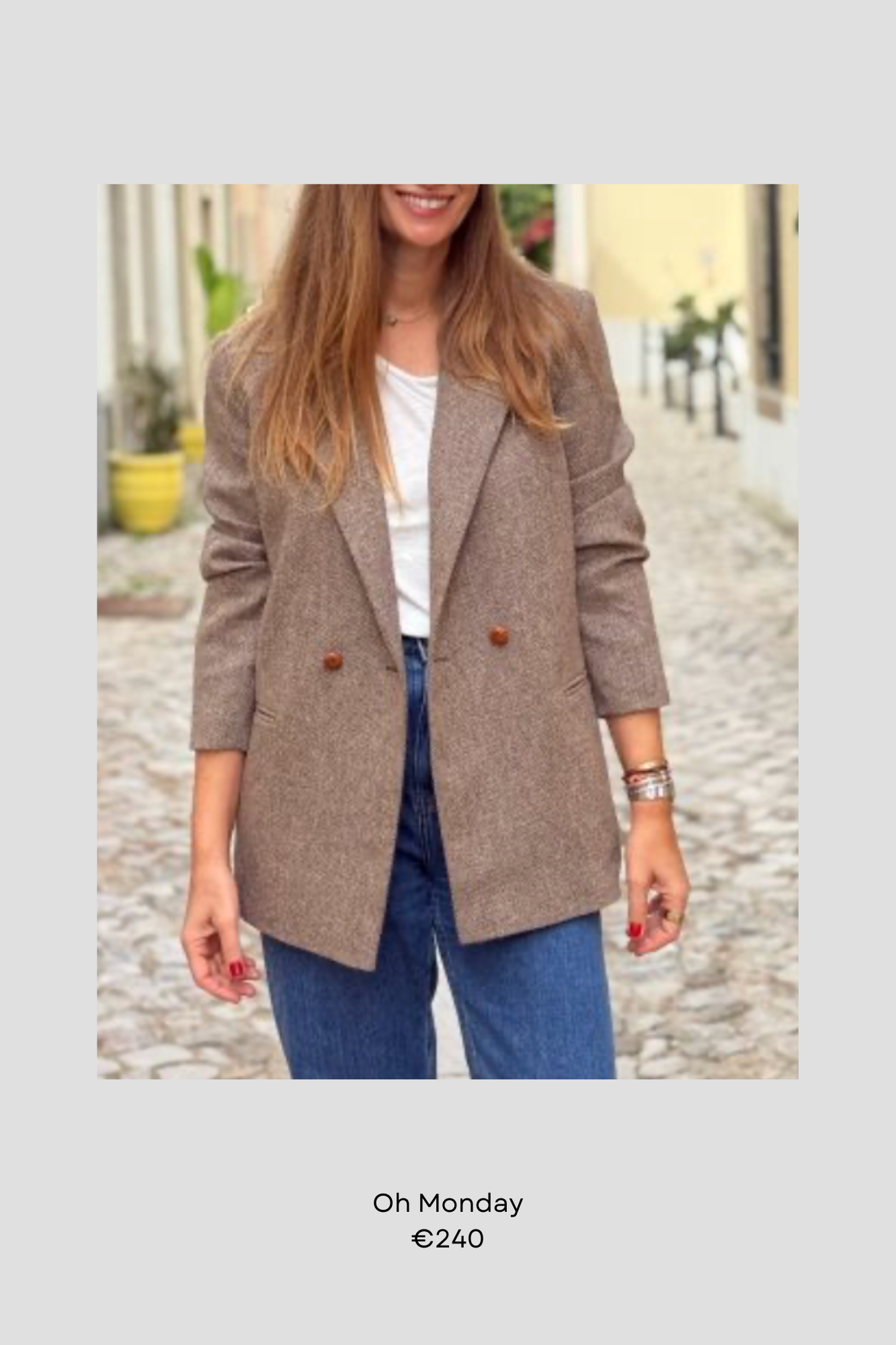
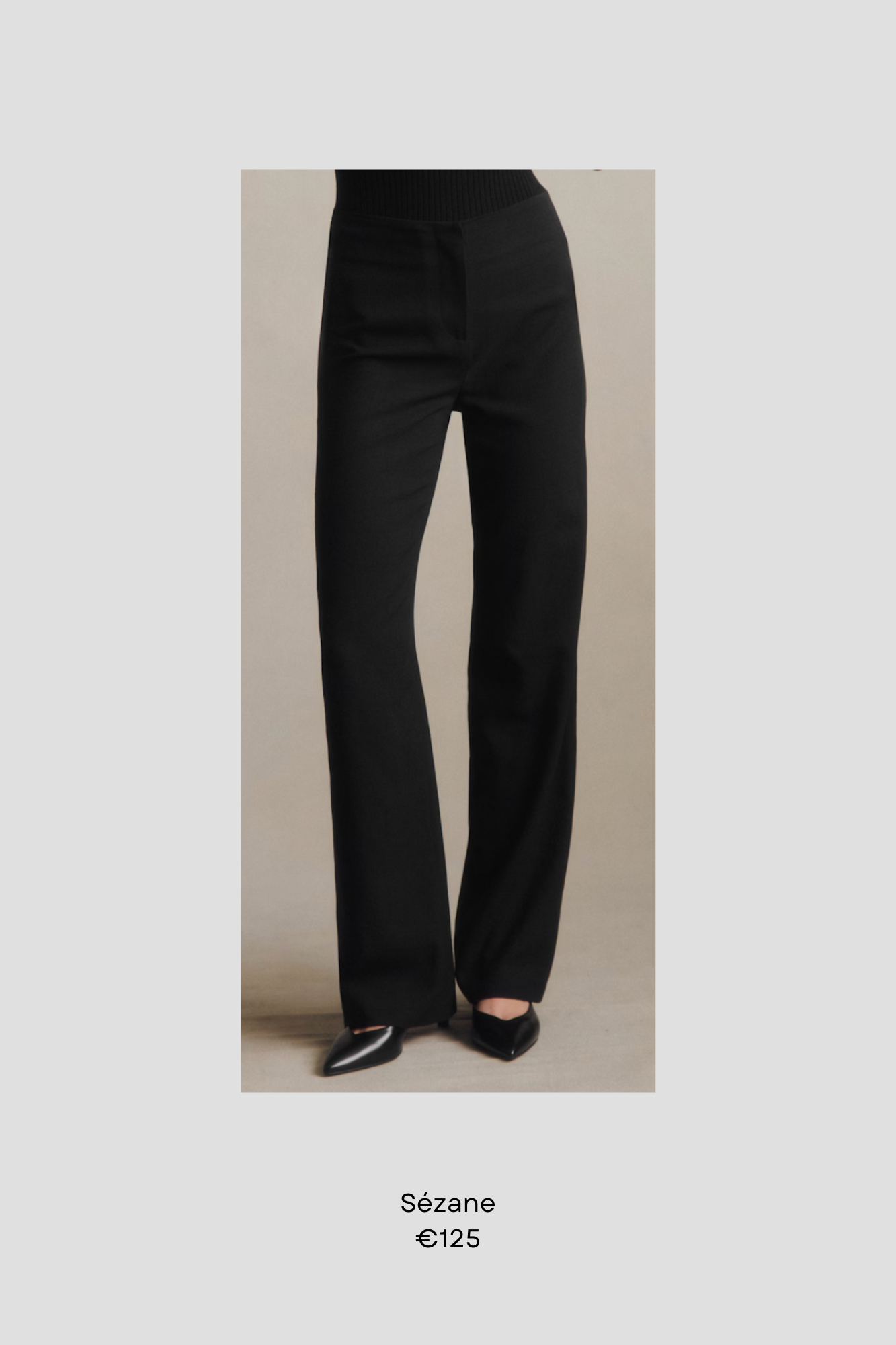
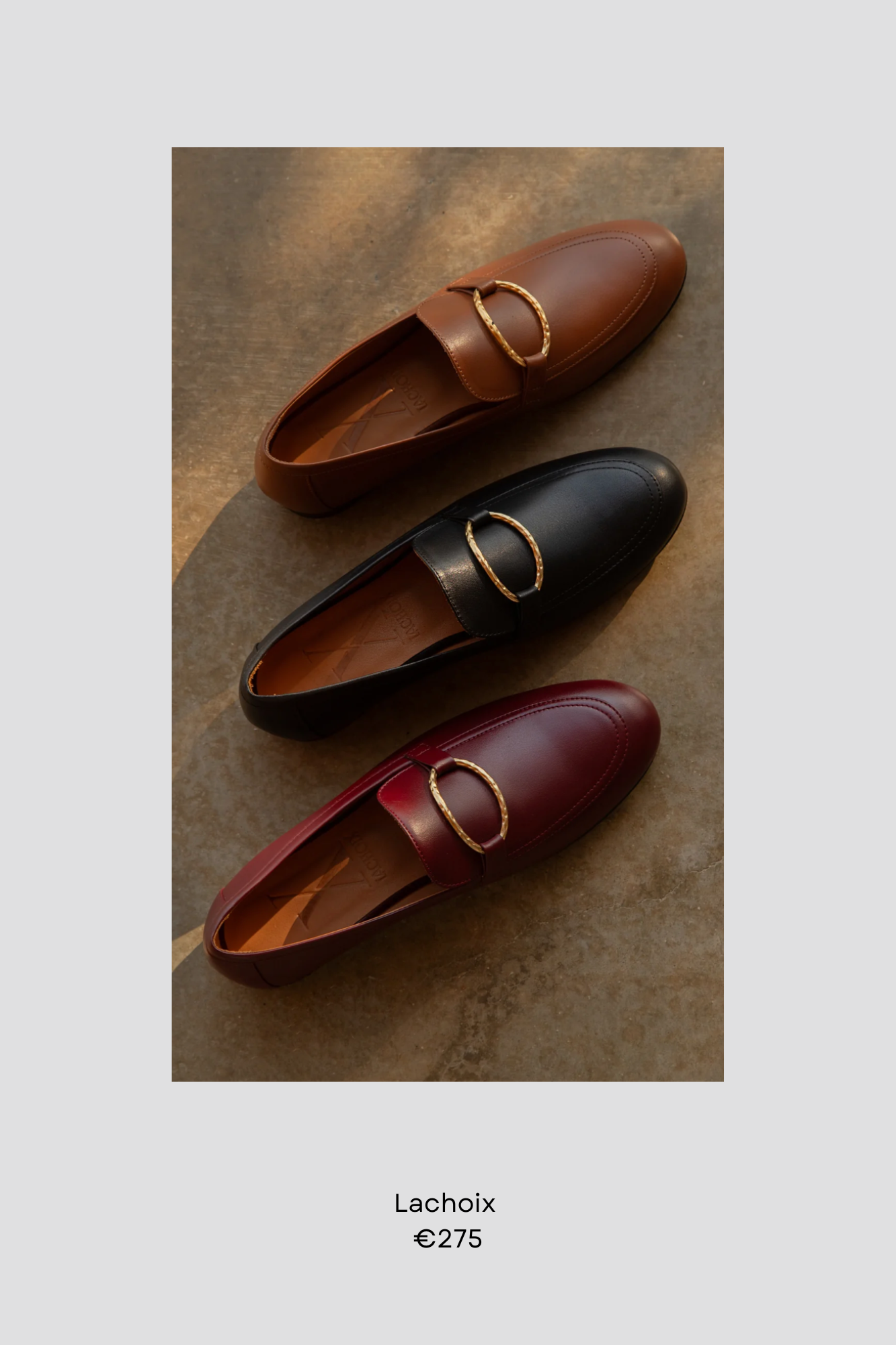
Classic style is rooted in timelessness and structure. It values balance, refinement, and pieces that feel appropriate in almost any setting. The goal isn’t to stand out, but to feel composed and confident.
This style direction often feels familiar — not because it’s boring, but because it’s dependable.
What to prioritise
-
Tailored pieces with traditional cuts
-
Clean, balanced silhouettes
-
Neutral or restrained colour palettes
-
Quality fabrics and finishing
-
Shoes and accessories that feel polished rather than statement-led
Classic style relies on proportion and fit rather than trend or novelty.
How to make it your own
Personalisation in Classic style comes from subtle choices, not bold gestures:
-
a signature colour
-
a preferred silhouette (more masculine, more soft)
-
consistent accessories you return to
When done well, Classic style never feels dated — it feels assured.

2. The Creative Style Direction
What defines it
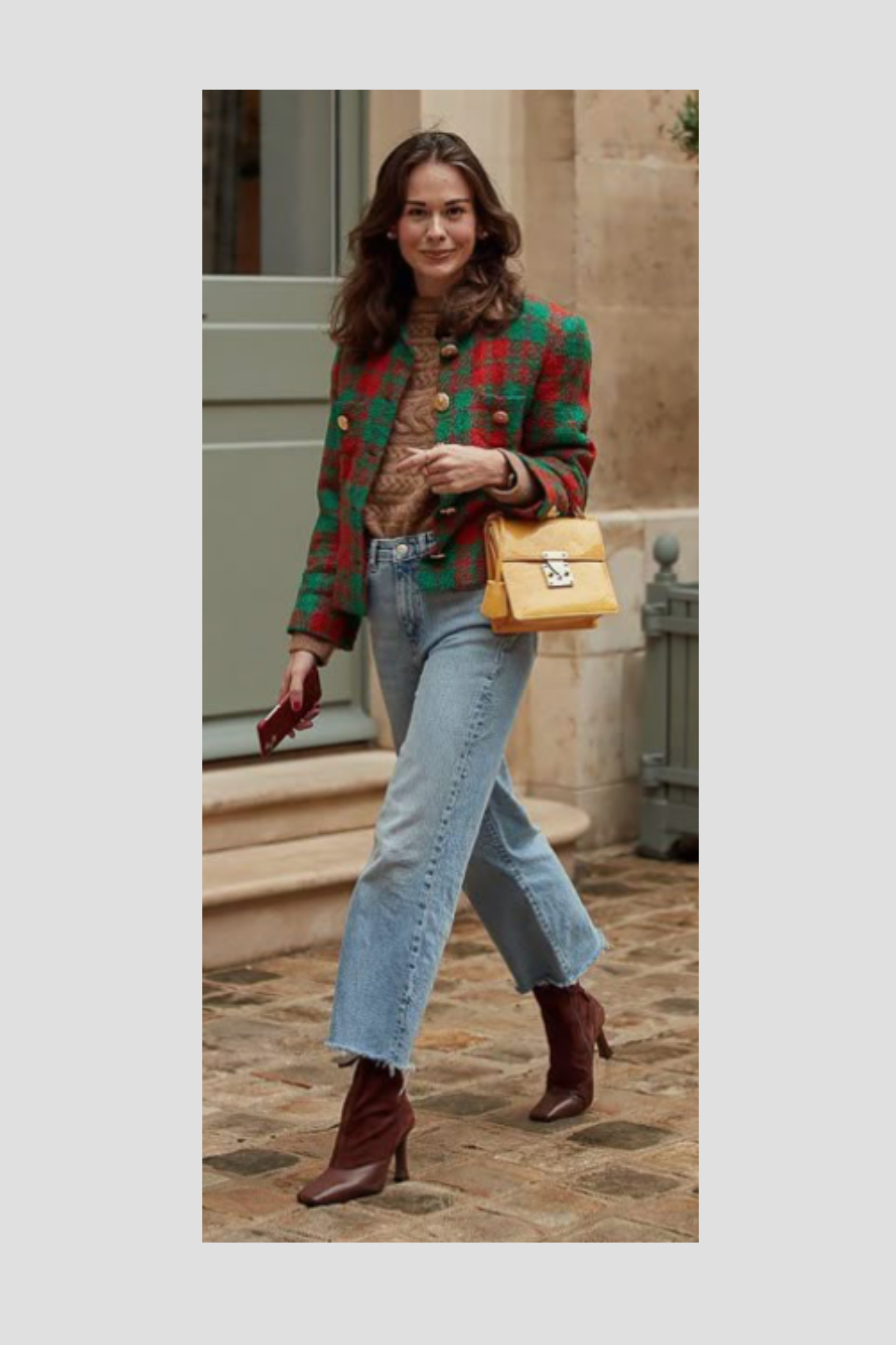
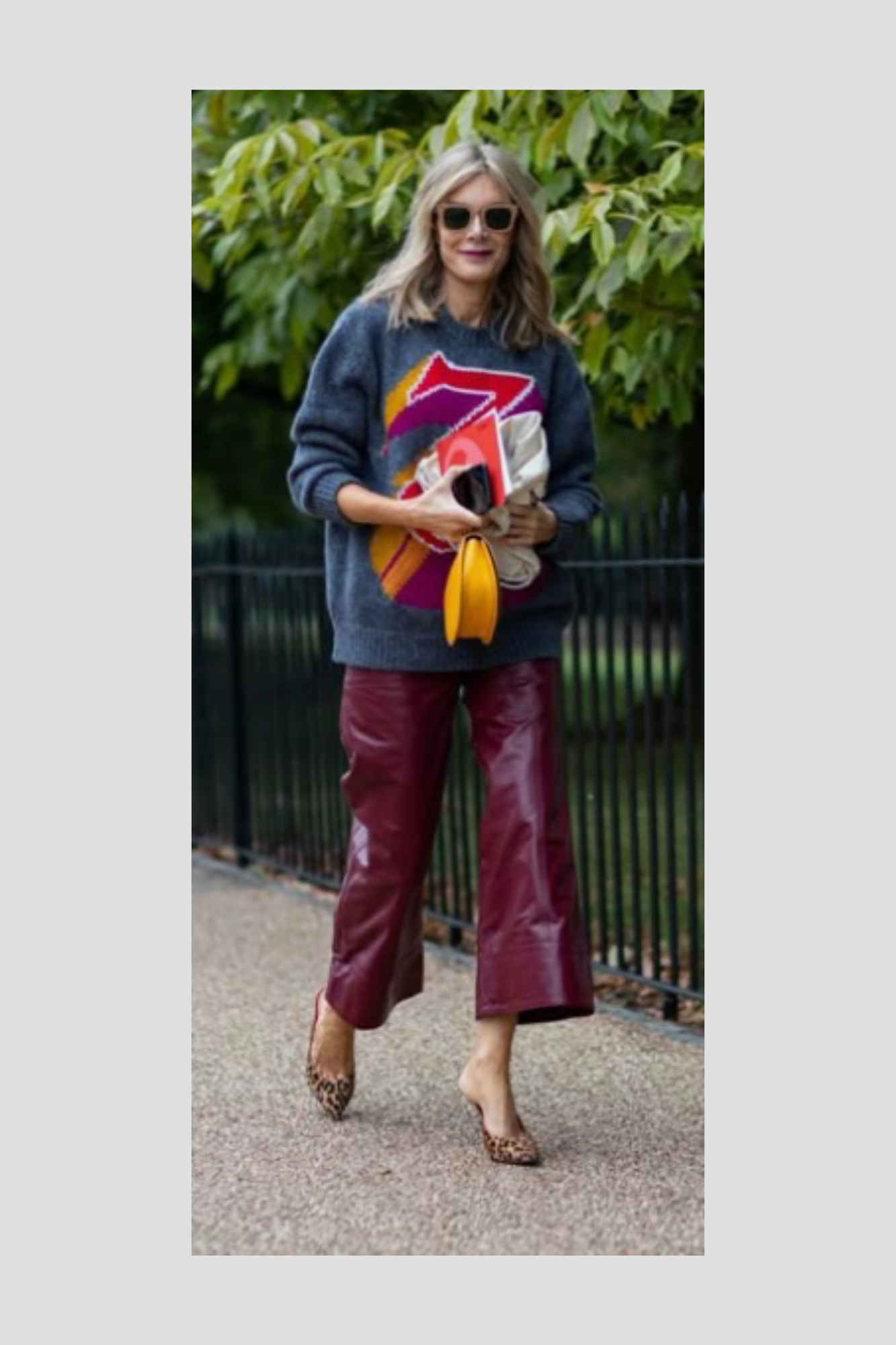
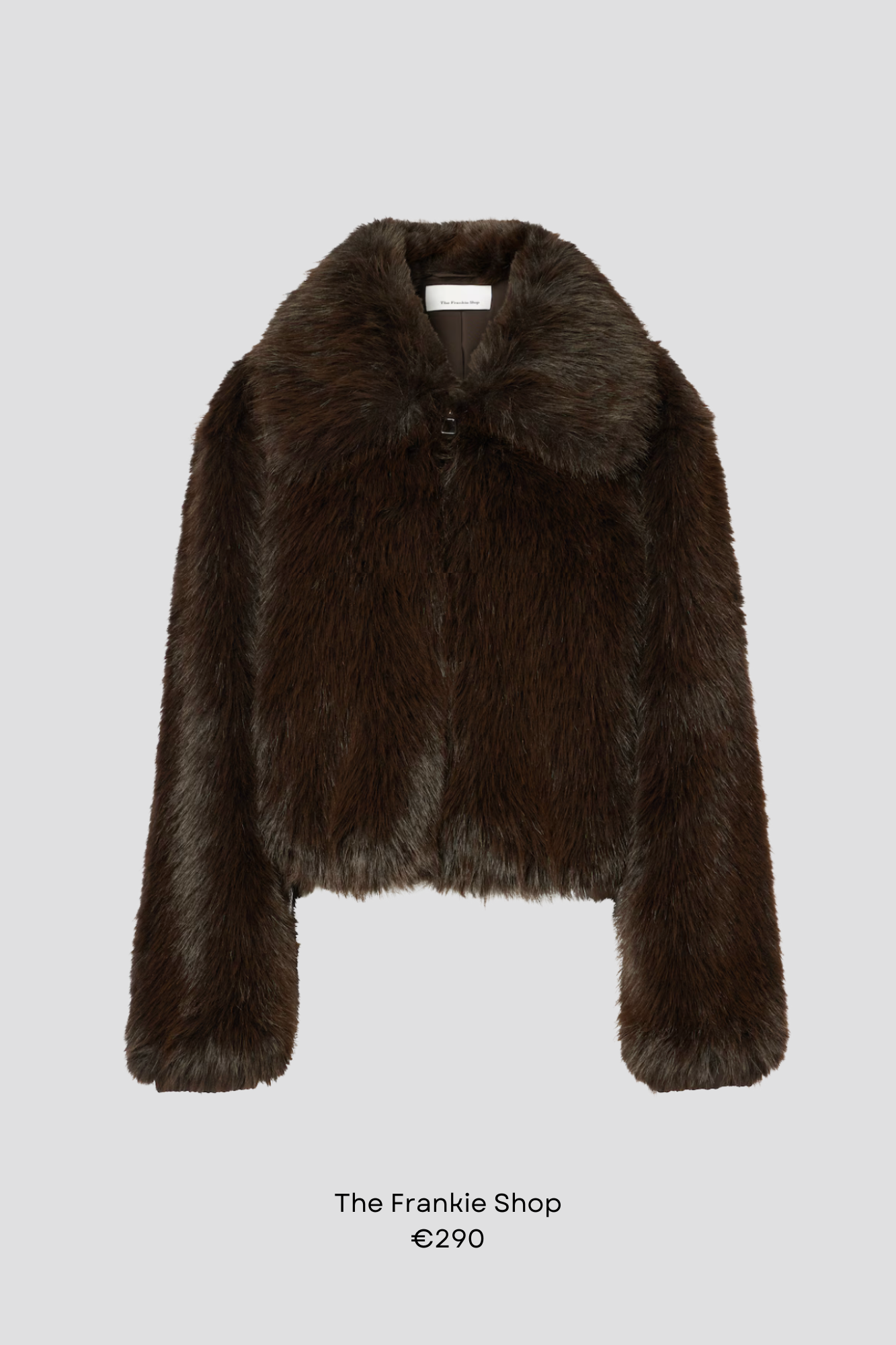
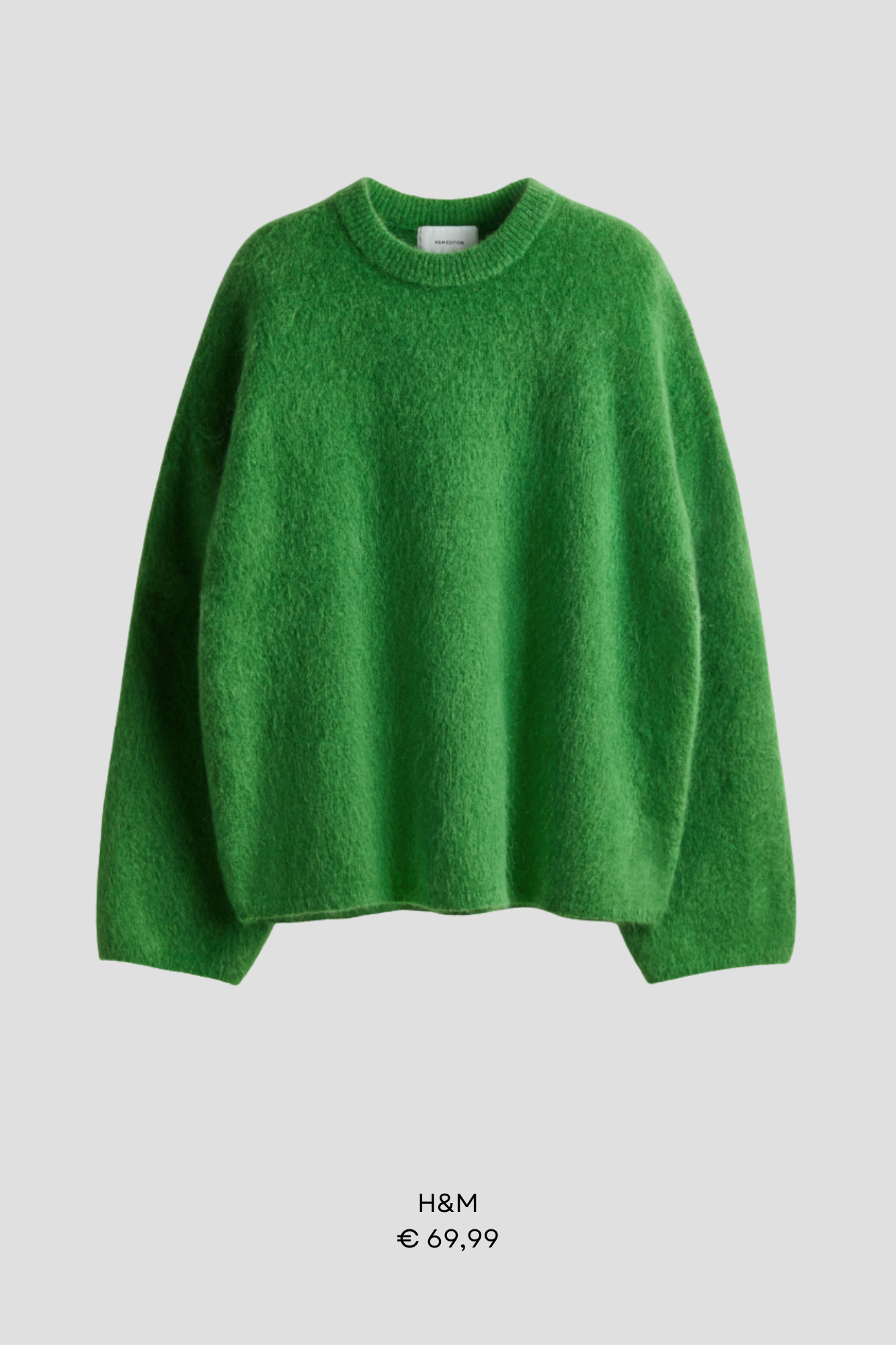
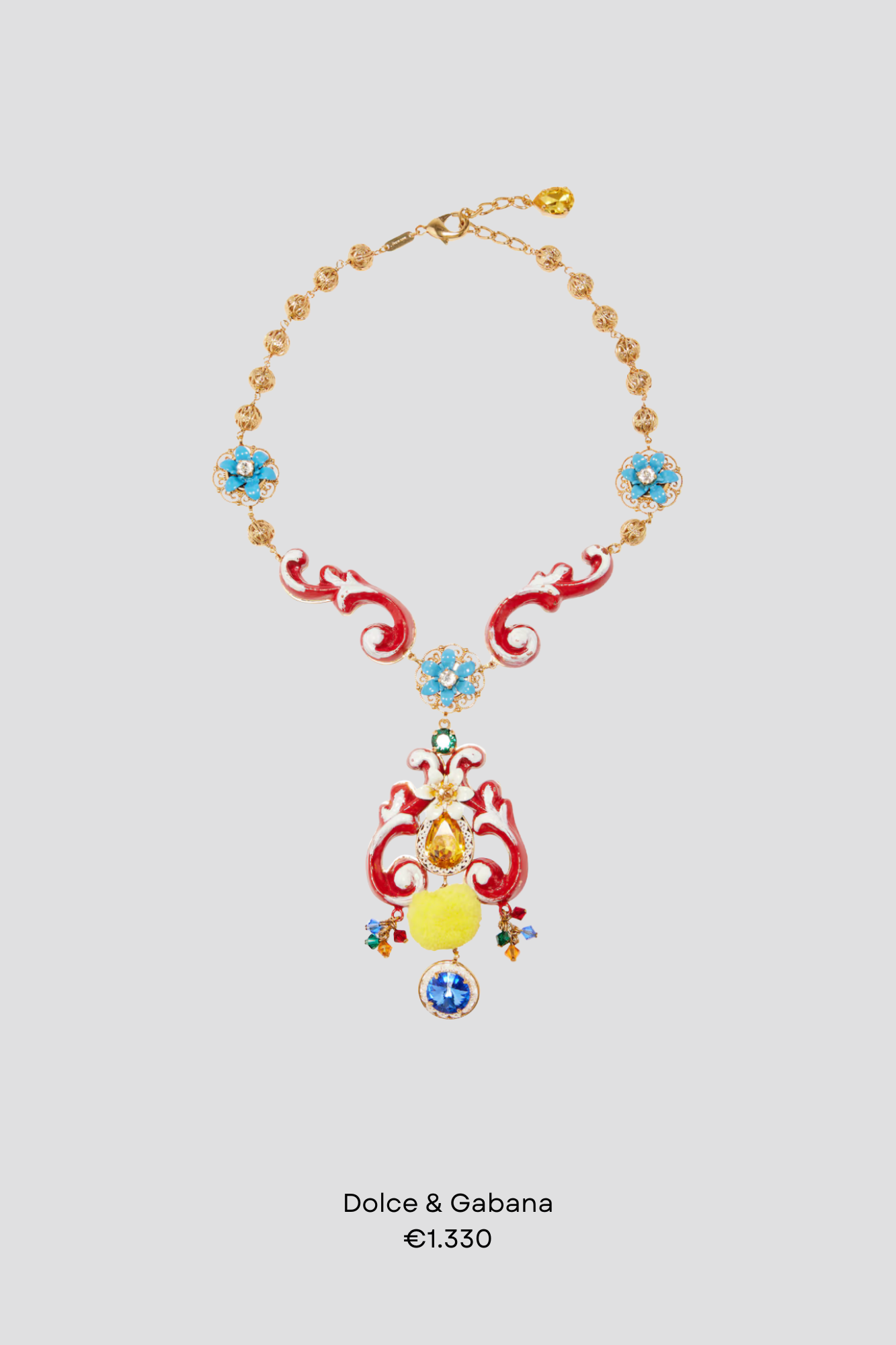
Creative style is about expression with intention. It allows room for personality, texture, colour, or contrast — but always with restraint.
This is not about maximalism or chaos.
It’s about looking interesting without looking overwhelmed.
What to prioritise
-
Relaxed tailoring rather than rigid structure
-
Texture (knit, silk, suede, leather)
-
Colour used deliberately, not excessively
-
One expressive element at a time
The key principle here is editing: one point of interest per outfit.
How to make it your own
Creative style becomes personal when you identify where you like to express yourself:
-
through colour
-
through accessories
-
through fabric or silhouette
Once you know your preferred outlet, the rest of the outfit should remain calm. This contrast is what makes Creative style feel confident rather than busy.
3. The Modern Style Direction
What defines it
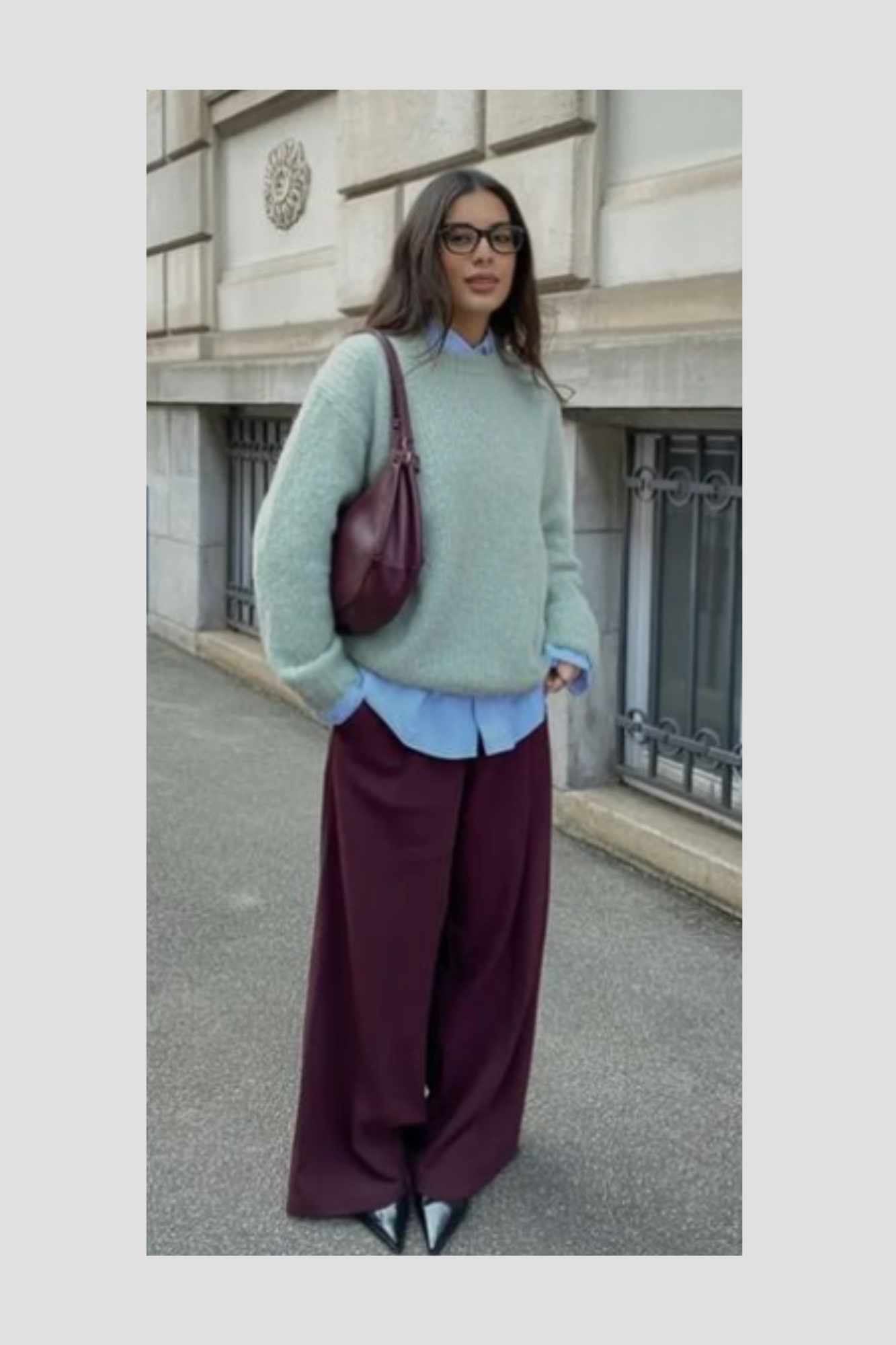
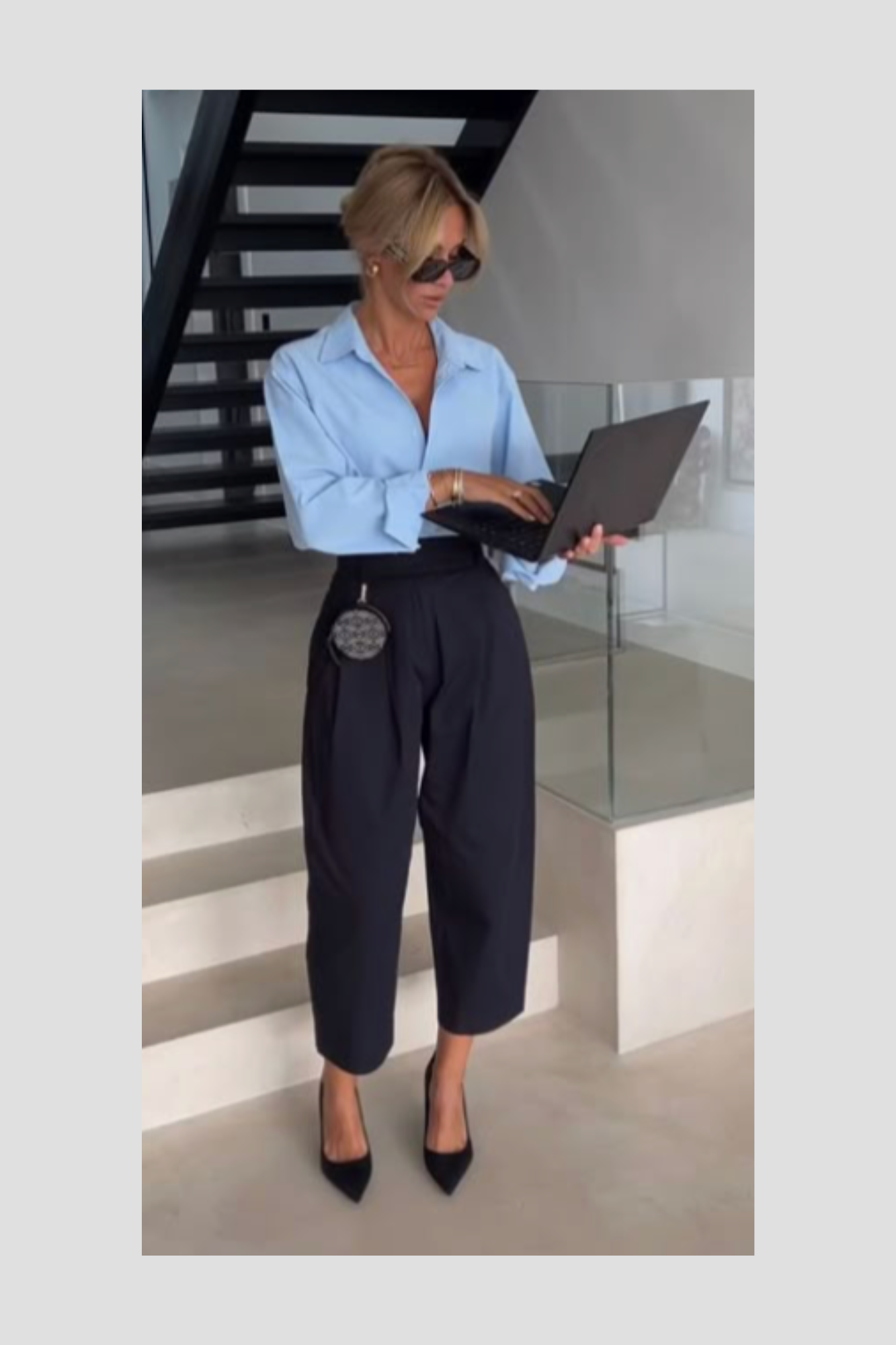
Modern style is clean, current, and proportion-led. While it can look minimal, its impact comes from shape rather than decoration.
It often feels effortless — but that effortlessness is intentional.
What to prioritise
-
Clean lines and sharp silhouettes
-
Strong proportions (wide-leg trousers, longer lengths, structured volume)
-
Monochrome or closely related tones
-
Minimal detailing
Modern style communicates confidence through simplicity and clarity.
How to make it your own
Modern style becomes personal through:
-
how bold or subtle you go with proportion
-
how strict or relaxed your palette is
-
how you balance structure with softness
It’s less about following trends and more about refining shapes that feel right on you.
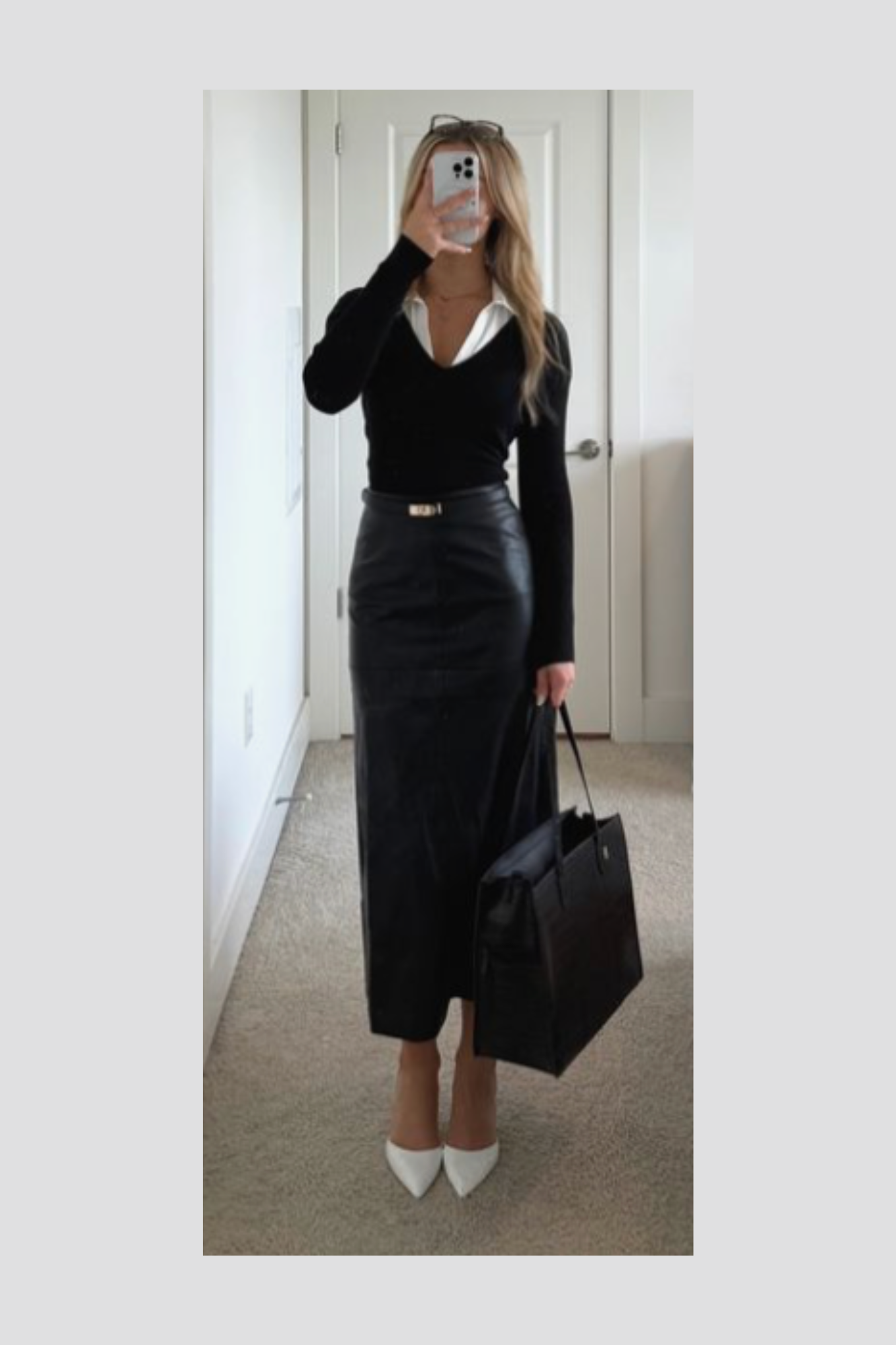


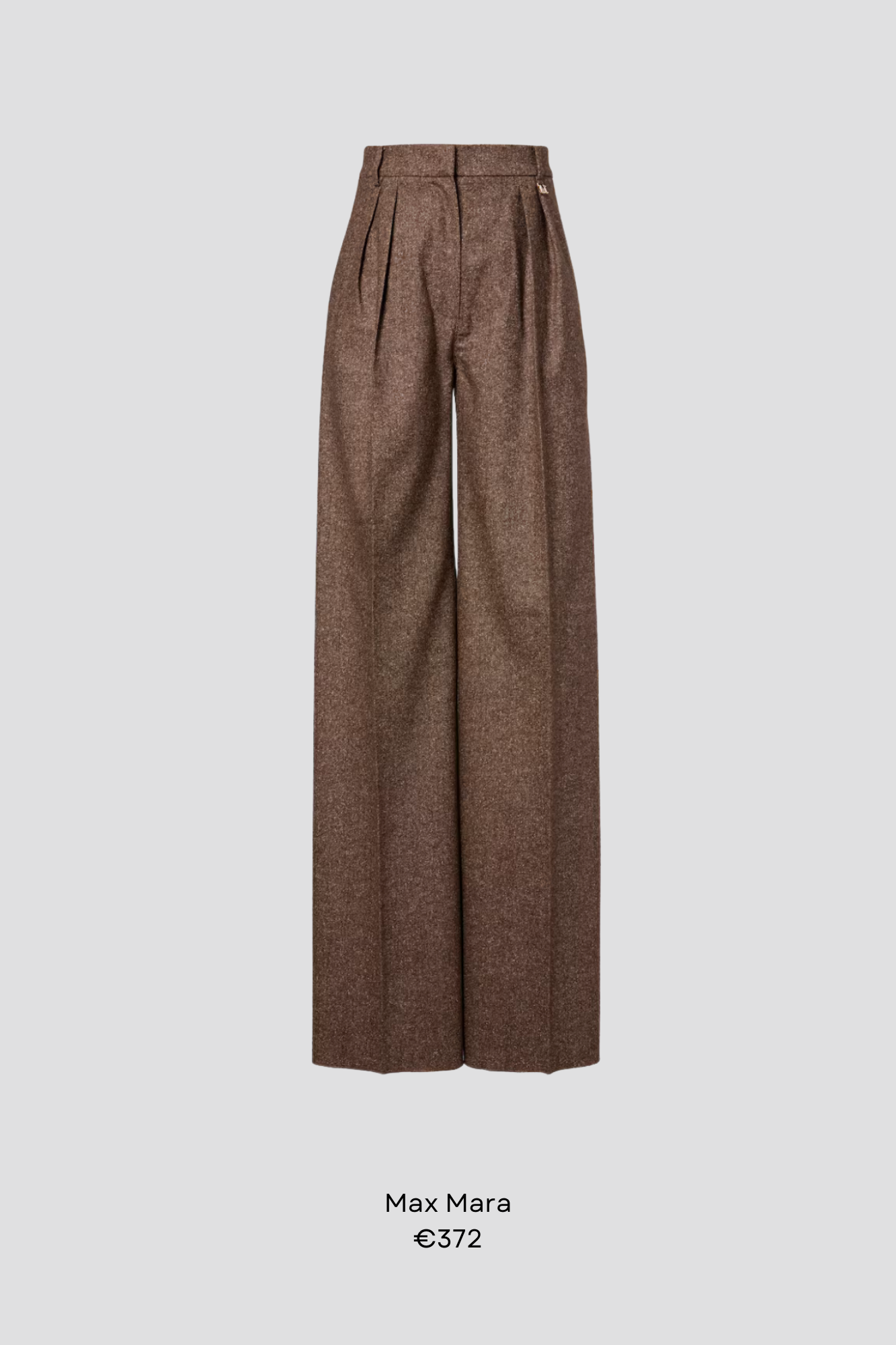
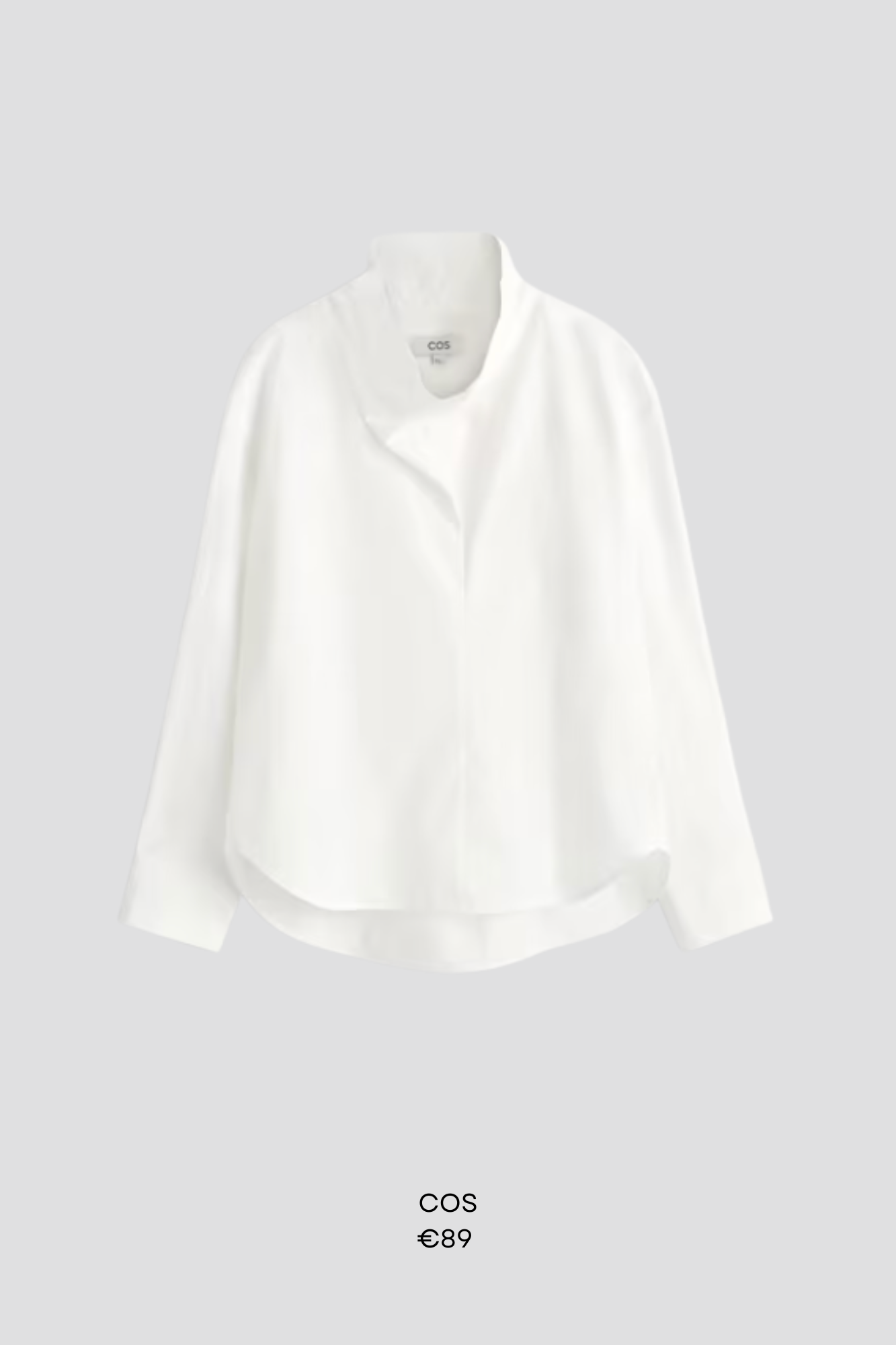
Classic vs Modern: why they’re often confused
Classic and Modern are frequently mixed up because both can look polished and neutral.
The difference isn’t how dressed-up the outfit is — it’s where the polish comes from.
-
Classic prioritises tradition, balance, and timeless tailoring
-
Modern prioritises clean lines, proportion, and contemporary shape
A simple way to tell the difference:
-
Classic looks timeless
-
Modern looks current
Many wardrobes sit comfortably between the two — using Classic foundations with Modern proportions. That blend is often where personal style feels most natural.
A Final Note on Mixing Directions
These style directions are not boxes.
They are reference points.
You may strongly identify with one, or move between two depending on your lifestyle, mood, or stage of life. What matters is recognising what consistently supports you — and building from there instead of starting over.
When you know what works for you and stick with it, dressing becomes simpler, calmer, and more intuitive.
Clarity always comes before change.