


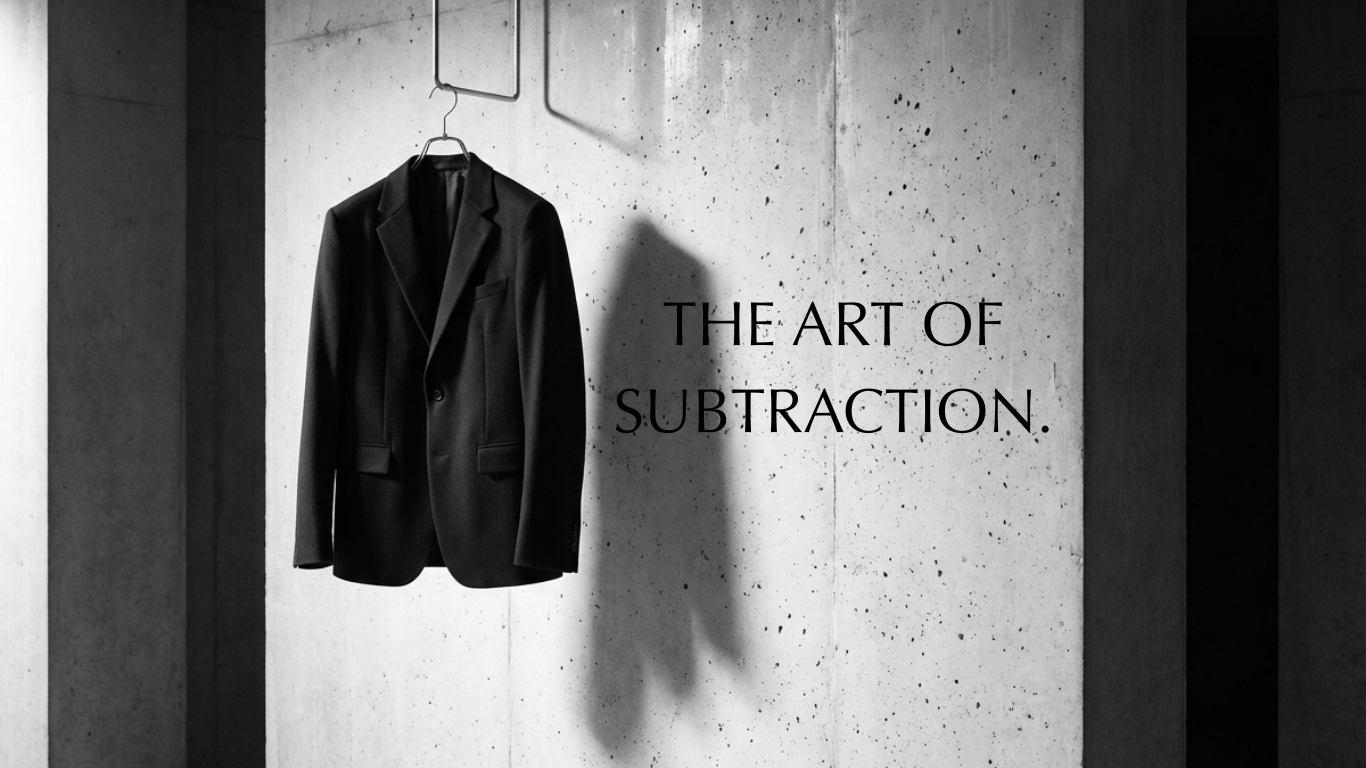
The Fatigue of "More"
We live in an era of hyper-consumption, where "style" is often marketed as a shopping list. We are told to add a trend, add an accessory, add a layer. But at InspiredByLuxe, we’ve observed a consistent truth in high-end editorial work: The most powerful outfits aren't built; they are edited.
True polish isn't found in the latest "it-bag." It is found in Visual Silence—the deliberate space you create when you remove the noise. Subtraction is not about minimalism; it is about Structural Authority. It is the "Anti-Copycat" act of trusting your silhouette enough to let it stand alone.
I. The Science of the Vertical Line (The Hardware Audit)
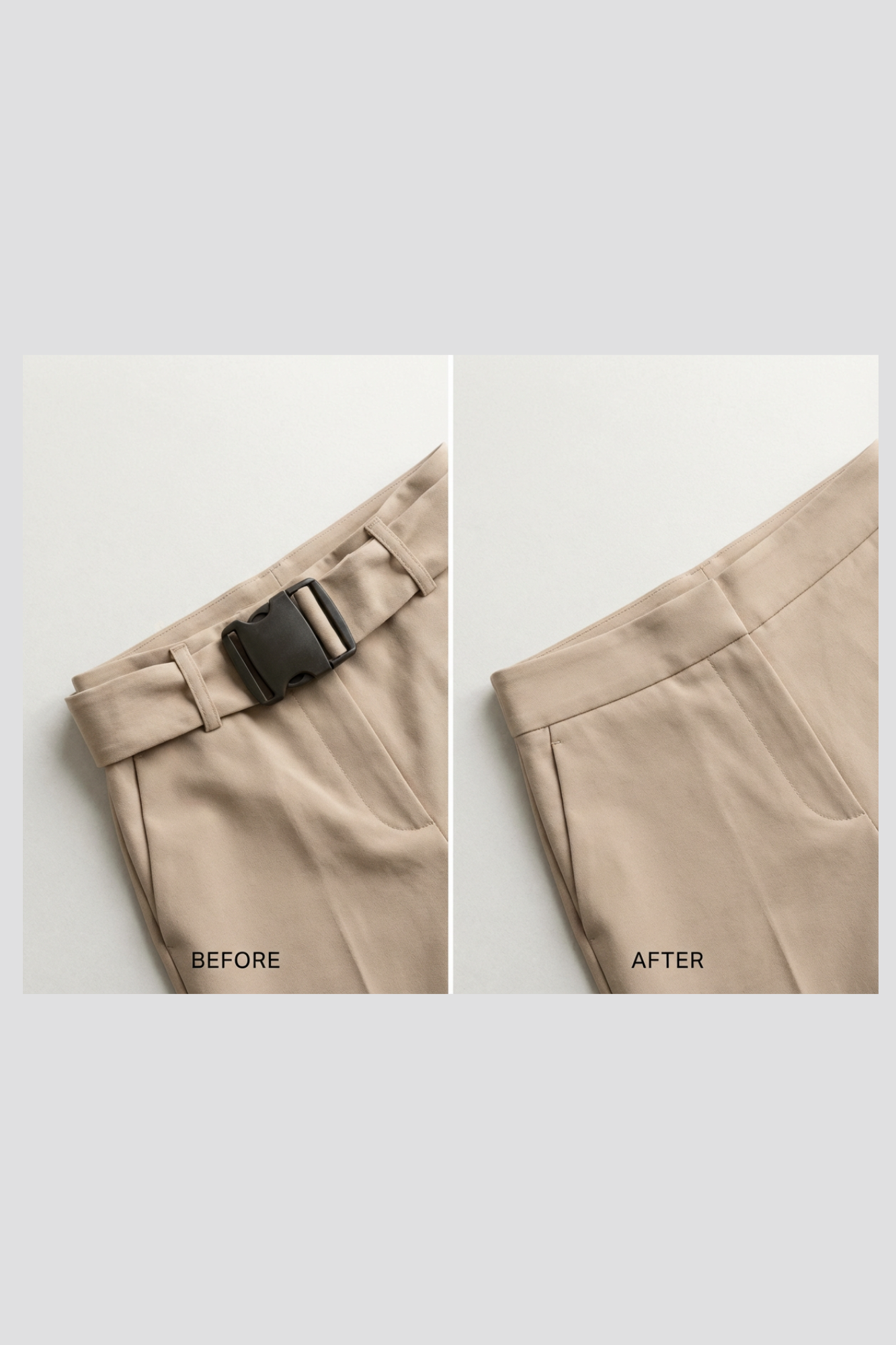
Most mid-range garments are designed to be "safe," which is why they often arrive with "placeholder" hardware—generic plastic-buckle belts or high-contrast, low-quality buttons.
The Value-Add Logic: When you wear a generic belt that came "free" with your trousers, you are effectively cutting your body in half. This creates a visual break that shortens the torso and disrupts the vertical line.
-
The Editorial Edit: Remove the placeholder. By opting for a clean waistband or replacing cheap plastic buttons with horn or mother-of-pearl, you change the garment’s DNA. You move the eye from the "price point" of the accessory to the "architecture" of your frame.
-
The Rule: If the hardware doesn't add a deliberate structural element, it is subtracting value.
II. The Geometry of Focal Points: The 70/30 Rule
The "And What?" of most styling advice is that it tells you to "balance" without explaining how. In the editorial world, we use the 70/30 Rule of Texture.
If 70% of your outfit is a matte, structural base (like a heavy wool trouser and a crisp poplin shirt), the remaining 30% is your "Identity Zone." This is where your jewelry or shoes sit.
The Value-Add Logic: When you have a statement shoe, a statement earring, and a statement bag, the eye experiences Visual Fatigue. It doesn't know where to land, so it dismisses the entire look as "busy."
-
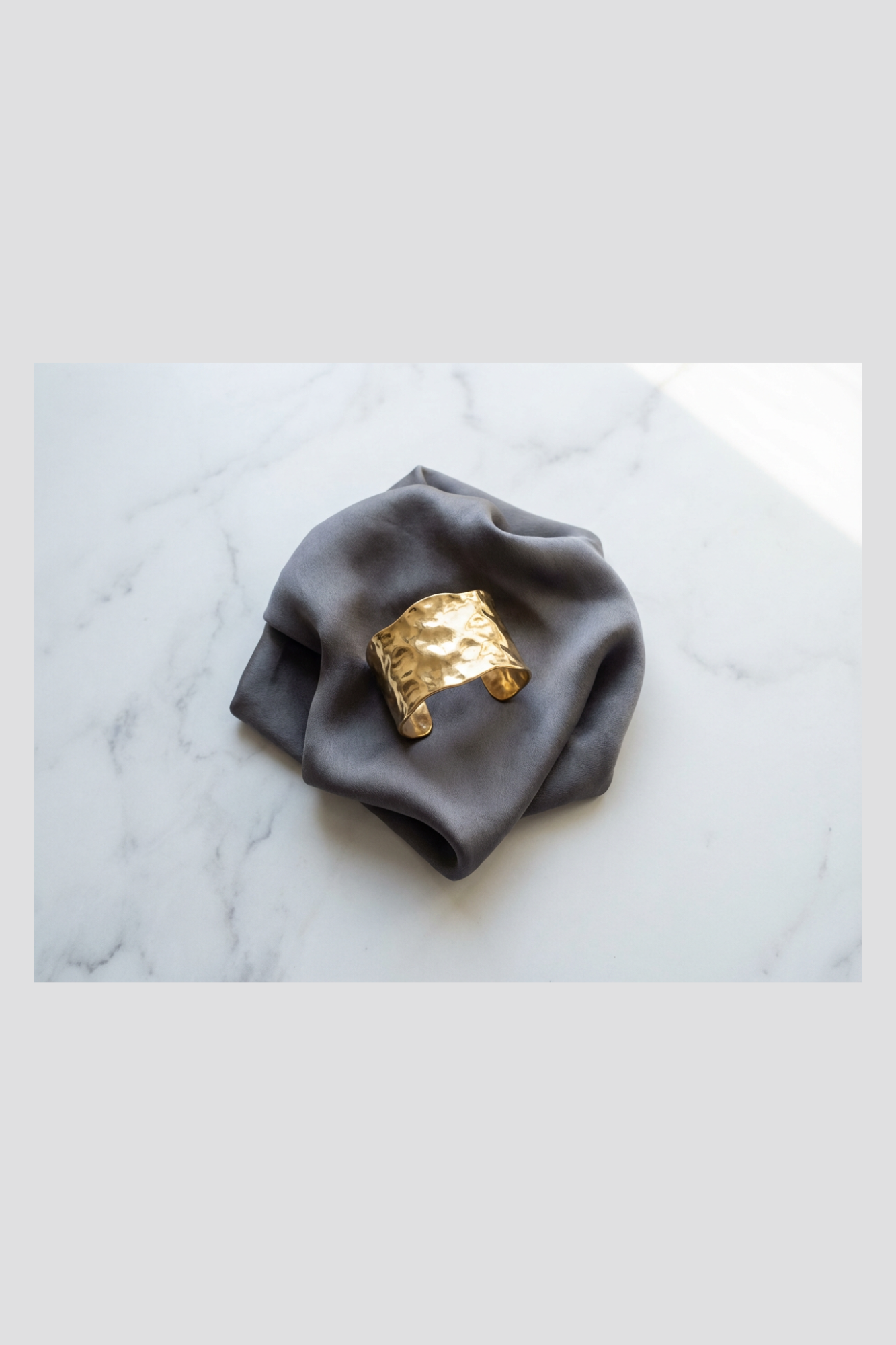
The Editorial Edit: Choose one protagonist. If you are wearing a sculptural gold cuff, the neckline of your shirt becomes the "frame." Subtraction here isn't about losing jewelry; it's about enforcing focus.
III. The Psychology of the "Safety Layer"
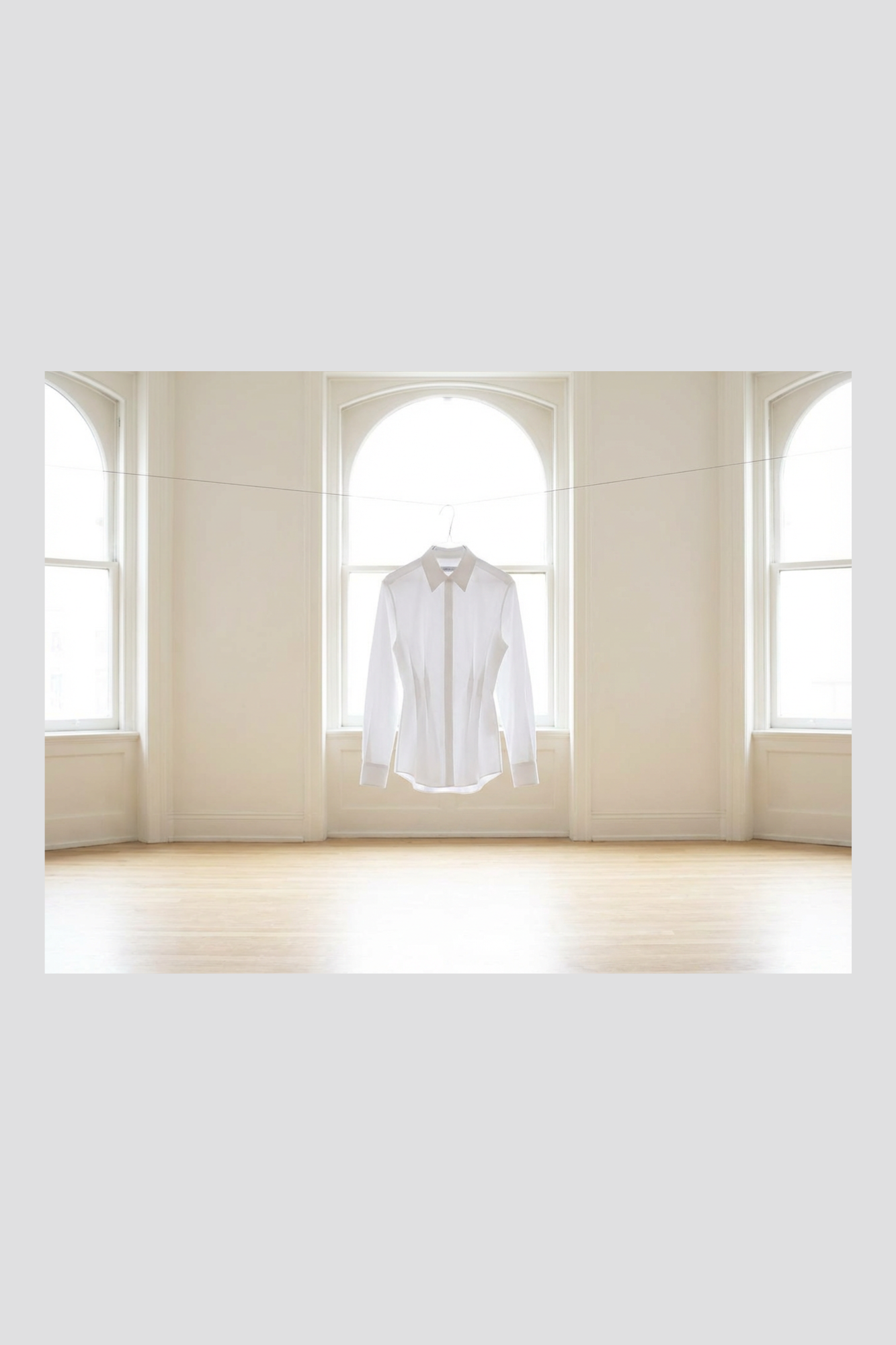
Perhaps the most difficult subtraction is the one we use as armor: The Safety Layer. This is the cardigan, the oversized blazer, or the pashmina we grab "just in case."
The Value-Add Logic: We often add these layers because we are uncomfortable with the "exposure" of a base silhouette. However, an unneeded layer often adds bulk to the narrowest parts of the body (the waist and wrists), making the wearer look overwhelmed by the fabric rather than empowered by it.
-
The Editorial Edit: If the base garment is structurally sound—meaning the shoulder seam sits correctly and the fabric has weight—trust the cut. Removing the "Safety Layer" is an act of sartorial confidence that signals you are not hiding behind your clothes, but inhabiting them.
How to Edit Your Look
Before you leave the house, perform the Structural Audit:
-
The Squint Test: Look in the mirror and squint. What is the first thing that catches your eye? If it’s a generic belt or a clashing metal, remove it.
-
The Proportional Check: Is there a clear vertical line? If a layer is "muddying" your silhouette, ditch it.
- The Hardware Sync: Ensure your bag, shoes, and jewelry aren't all competing for attention. If they are, subtract the one that feels the most like a "trend" and keep the one that feels most like "you."
The "Anti-Copycat" woman doesn't need to shop for a new identity every season. She simply needs to refine the one she already has. Subtraction is the tool that turns a "cluttered" outfit into a Personal Signature.