


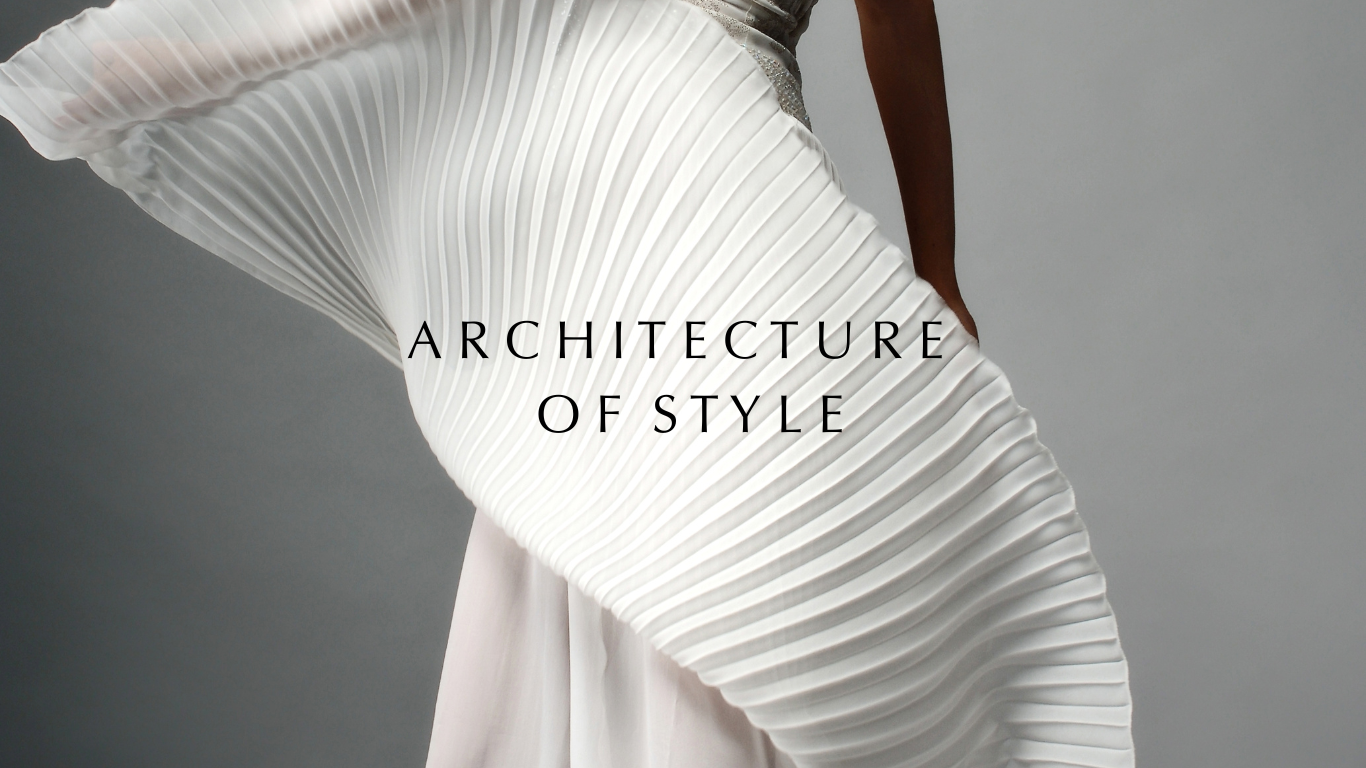
Style is, at its core, a calculation of space and balance. Regardless of your personal aesthetic—be it avant-garde, classic, or contemporary—mastering the silhouette requires an understanding of how garments interact with the human frame. This is the Law of Proportions: a universal guide to managing visual weight and commanding the space around you.
THE GOLDEN RATIO: 1/3 VS. 2/3
The most dynamic silhouettes avoid the 50/50 split. Dividing the body into equal halves (top and bottom) often creates a stagnant, shortened appearance that cuts the vertical line.
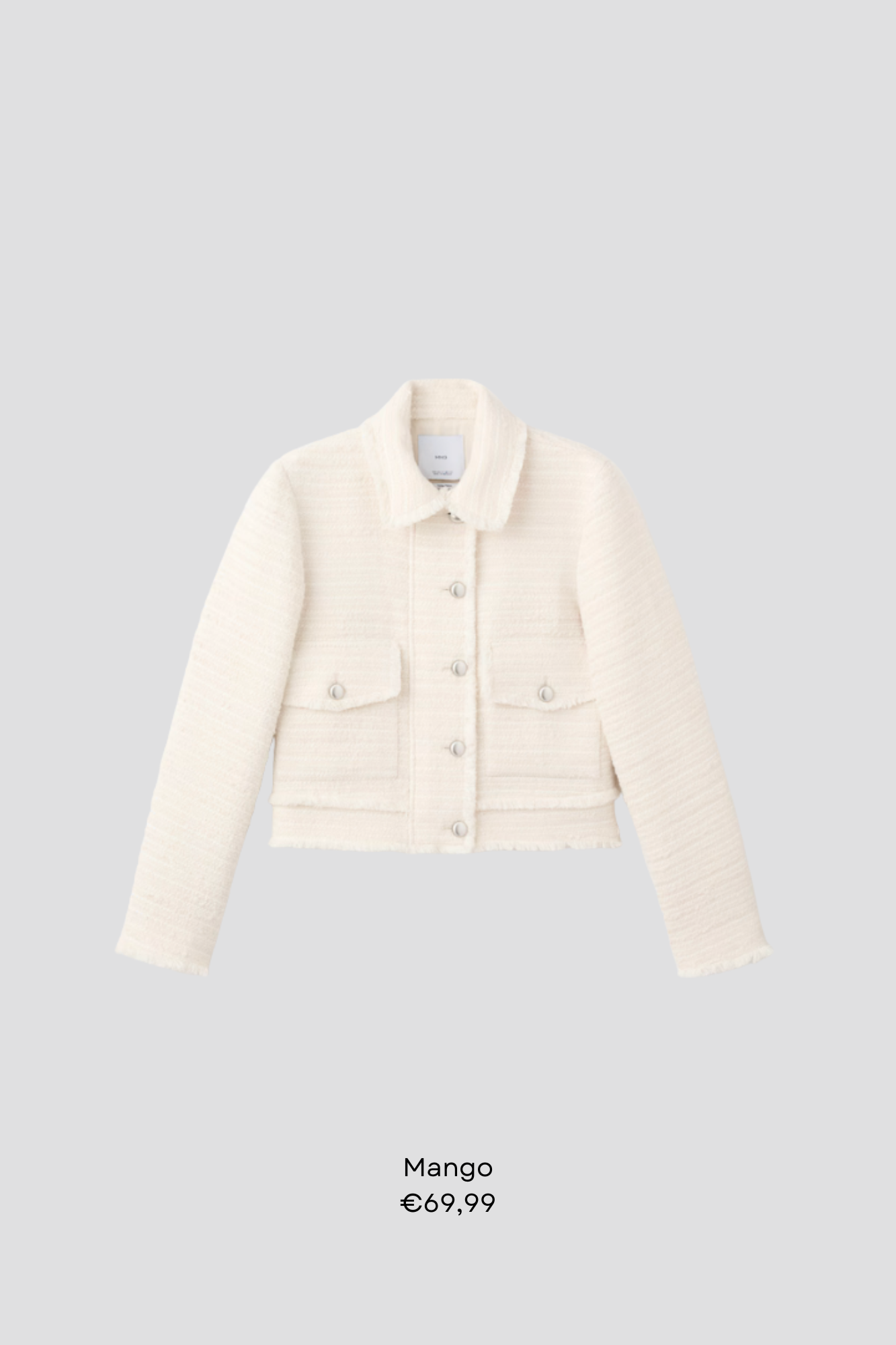
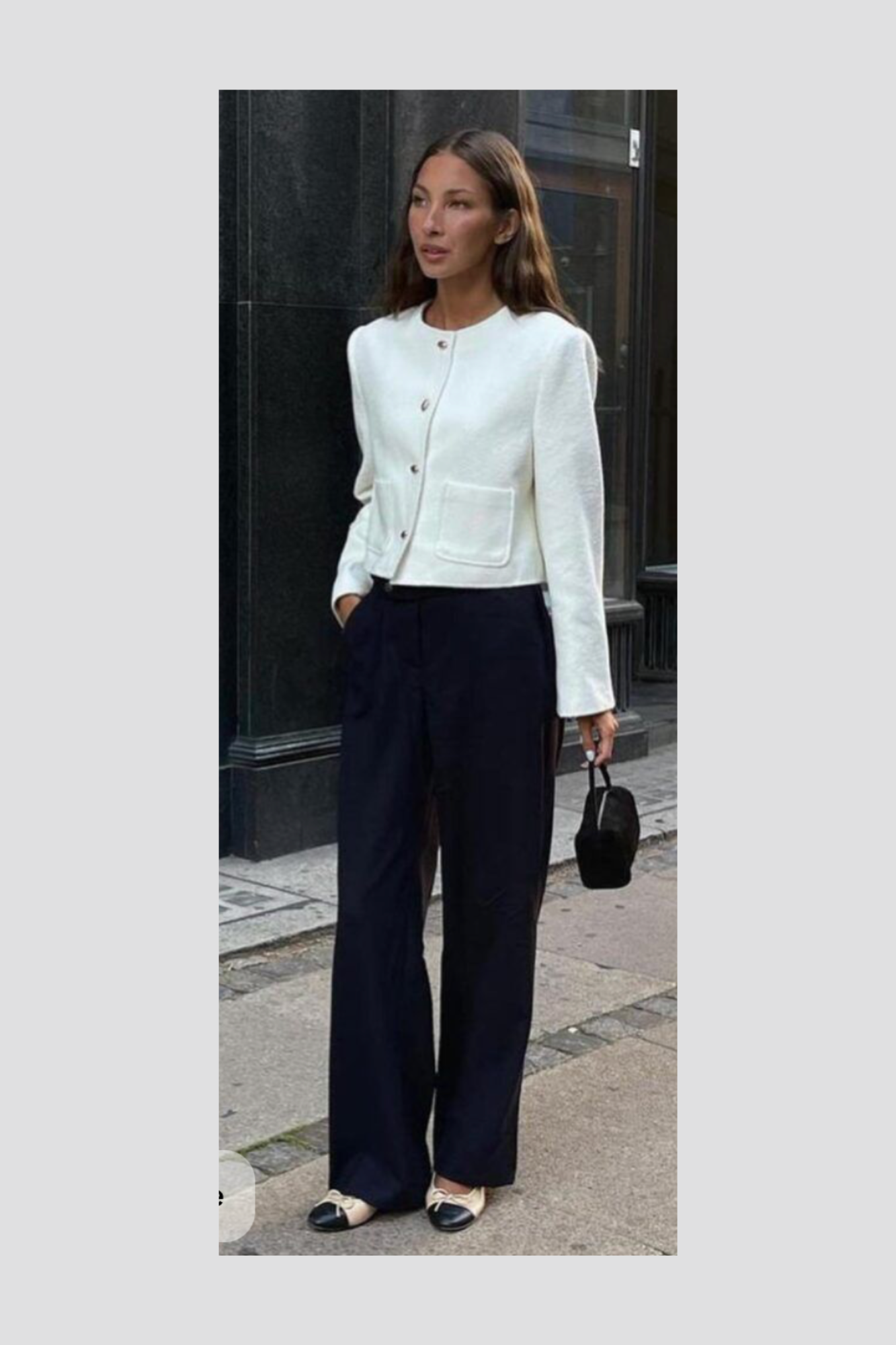
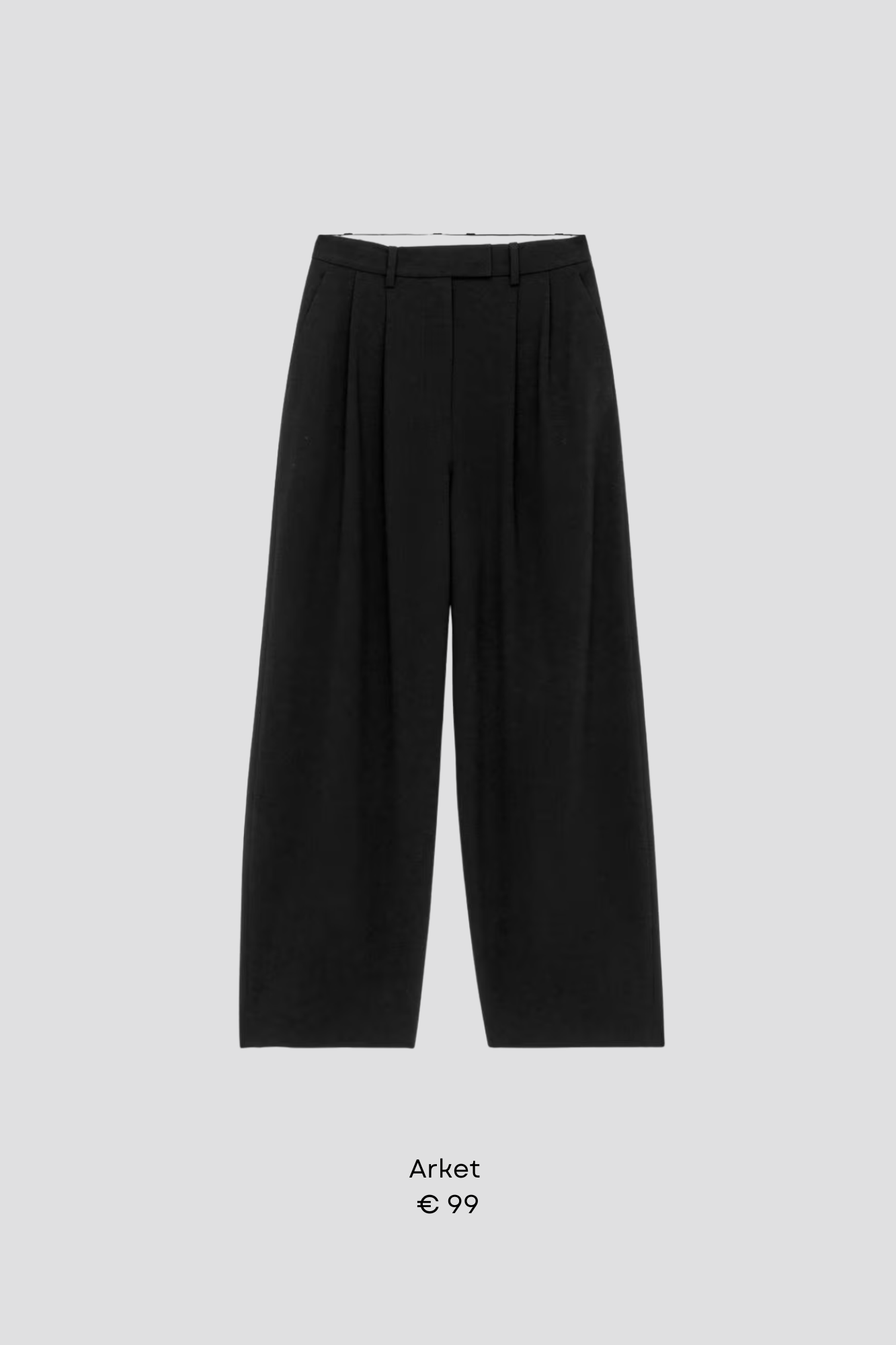
To create a sense of movement and effortless grace, aim for the Rule of Thirds. By ensuring your outfit is divided into 1/3 (top) and 2/3 (bottom), or vice versa, you guide the eye vertically. This is the logic behind high-waisted trousers paired with a tucked shirt, or a longline coat layered over a shorter dress.
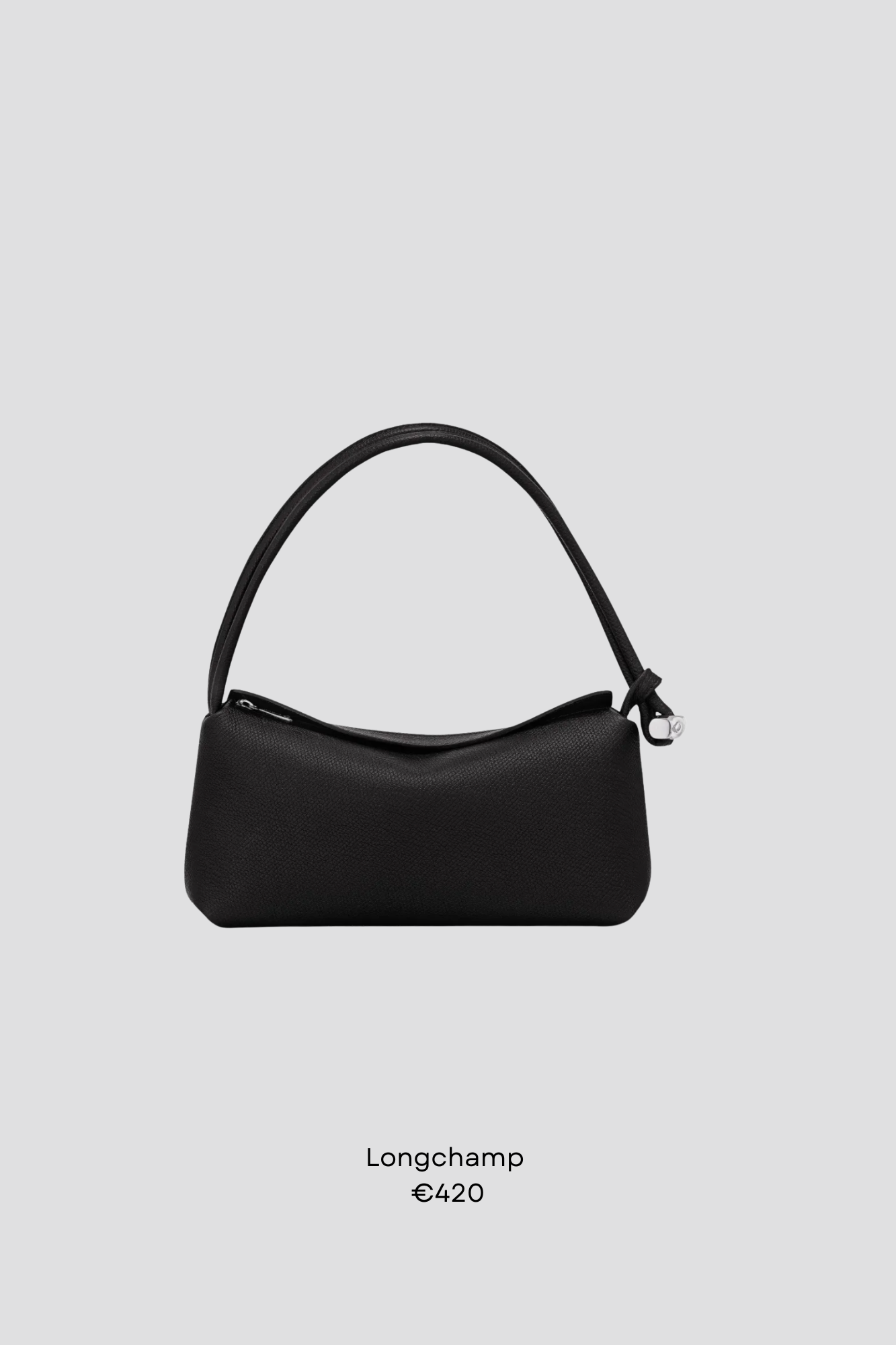
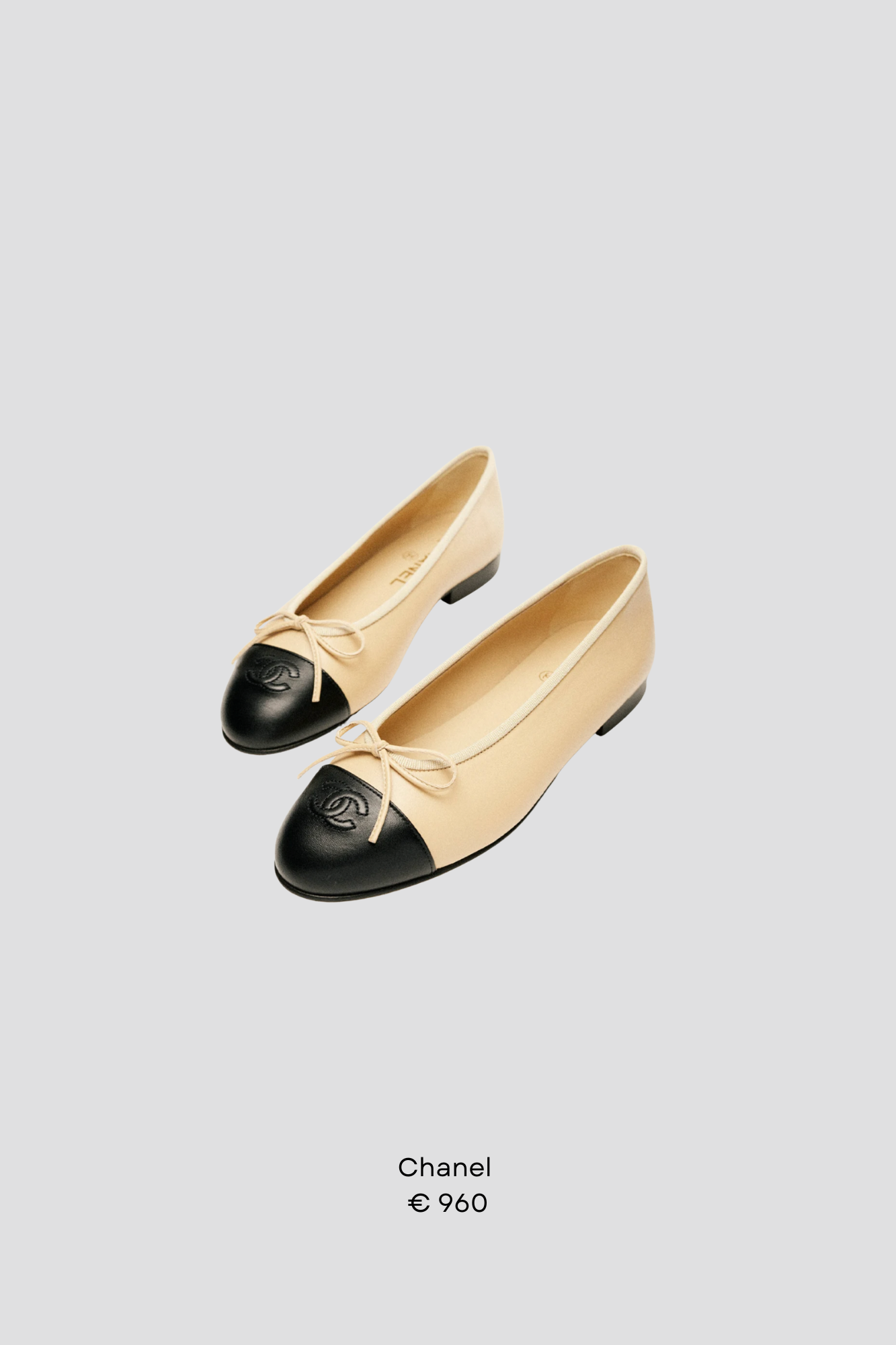
THE ARCHITECTURAL AXIS: THE POWER OF THE BELT
In the construction of a silhouette, the belt is the primary structural beam. It is the tool that defines the "break" in an outfit, dictating how the eye perceives height and volume.
-
Restoring the Map: When wearing voluminous or oversized pieces, a belt acts as a focal anchor. It prevents the wearer from being overwhelmed by fabric, marking the natural waist as the central axis of the look.
-
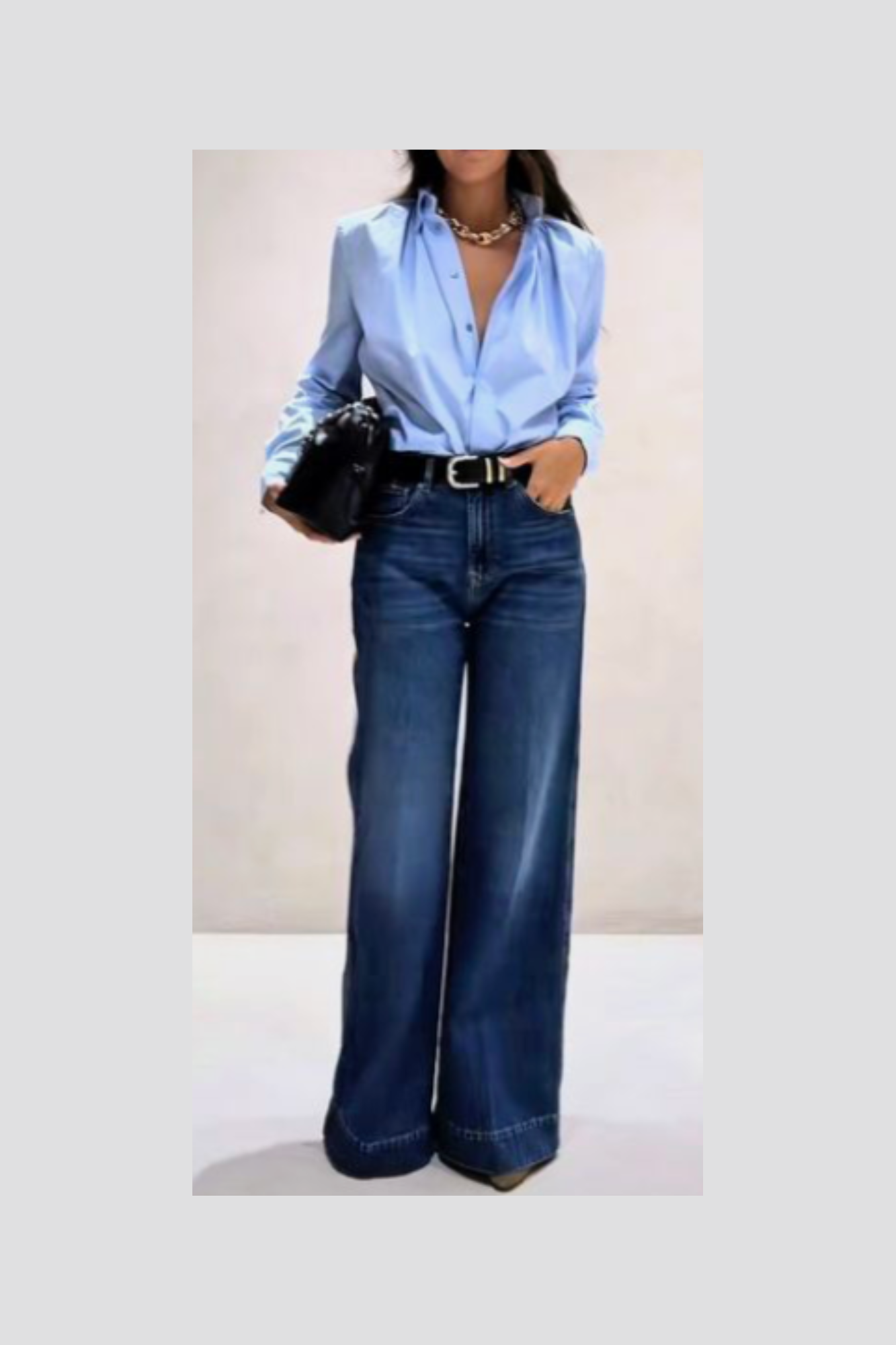
The Proportional Break: A belt allows you to choose where your body "starts" and "ends." A high-placed belt creates the illusion of longer legs, while a tonal belt (matching your trousers) offers a subtle, uninterrupted elongation.
-
Structural Contrast: Beyond fit, a belt introduces a different material weight. It provides a sharp, rigid line against fluid fabrics, signaling intentionality and precision.
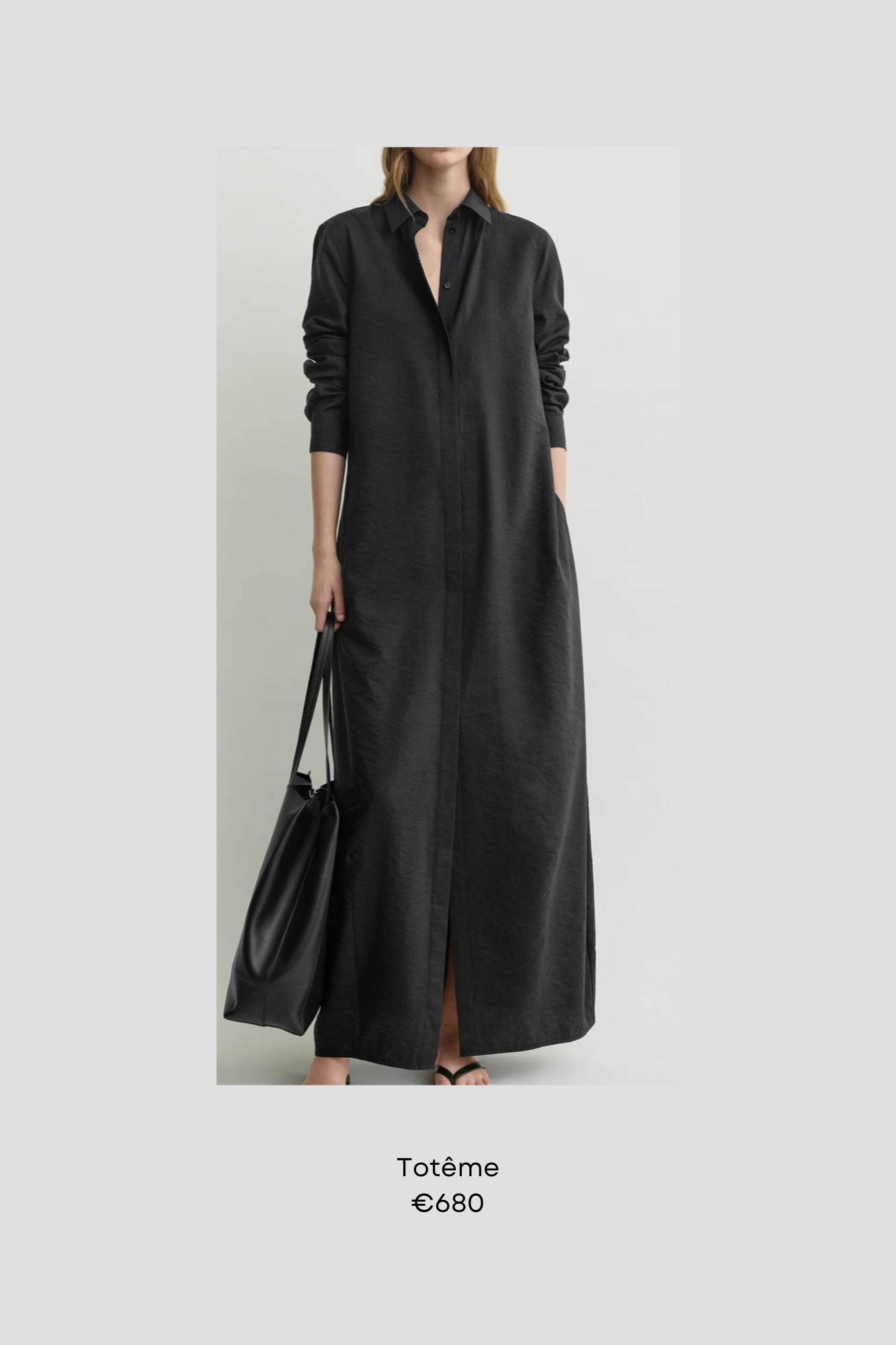
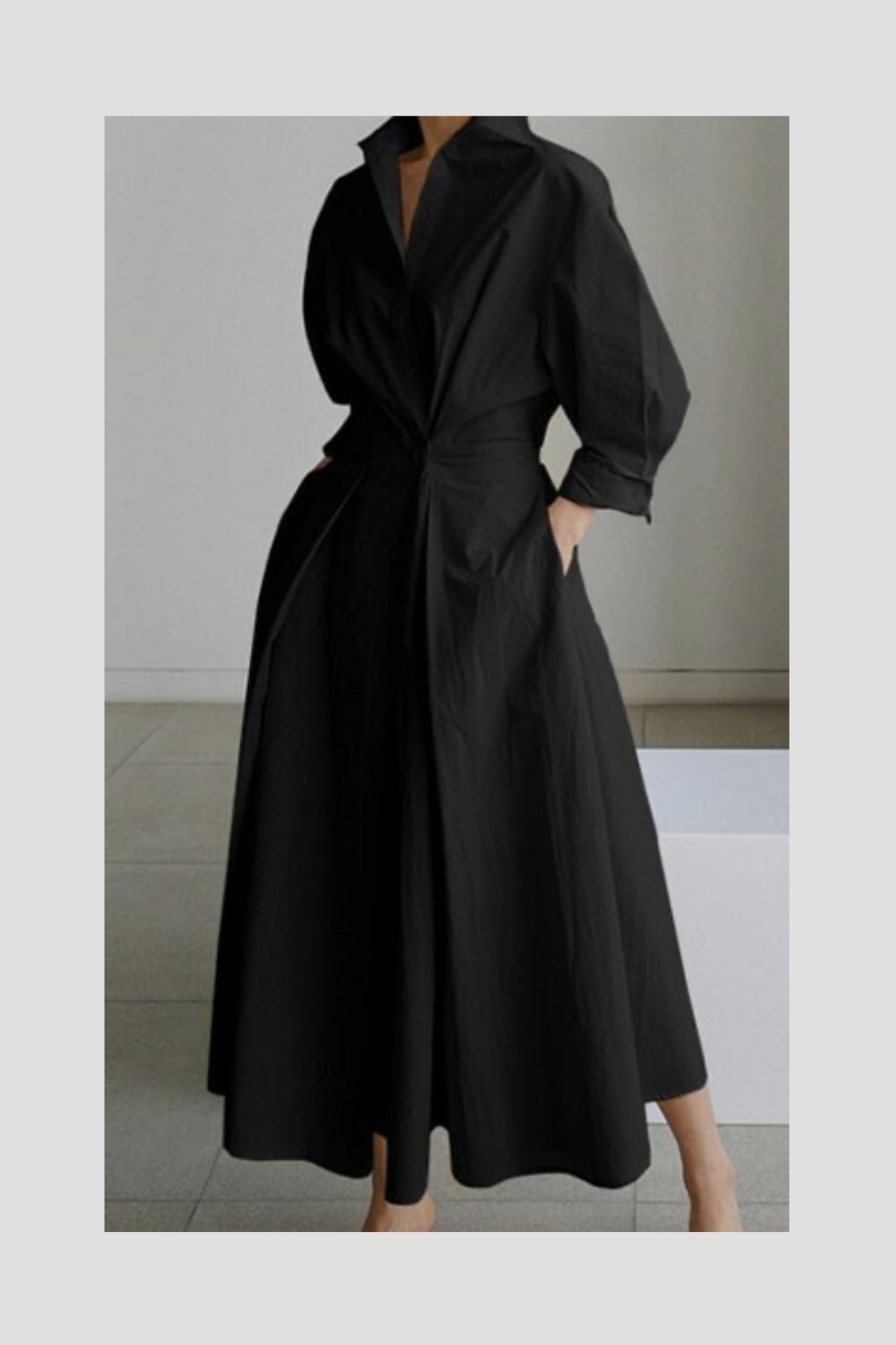
THE PHYSICS OF THE "TUCK"
Proportion is often managed in the inches of fabric tucked into a waistband. It is the bridge between volume and structure.
-
The Full Tuck: Essential for high-waisted wide-leg trousers. It provides a clean, clinical transition from top to bottom, maximizing the 2/3 leg ratio.
-
The French Tuck: By tucking only the front of a shirt or knit, you maintain a defined waistline while allowing the sides and back to flow. This creates a "soft volume" that feels curated yet effortless.

MANAGING VOLUME: OPPOSING FORCES
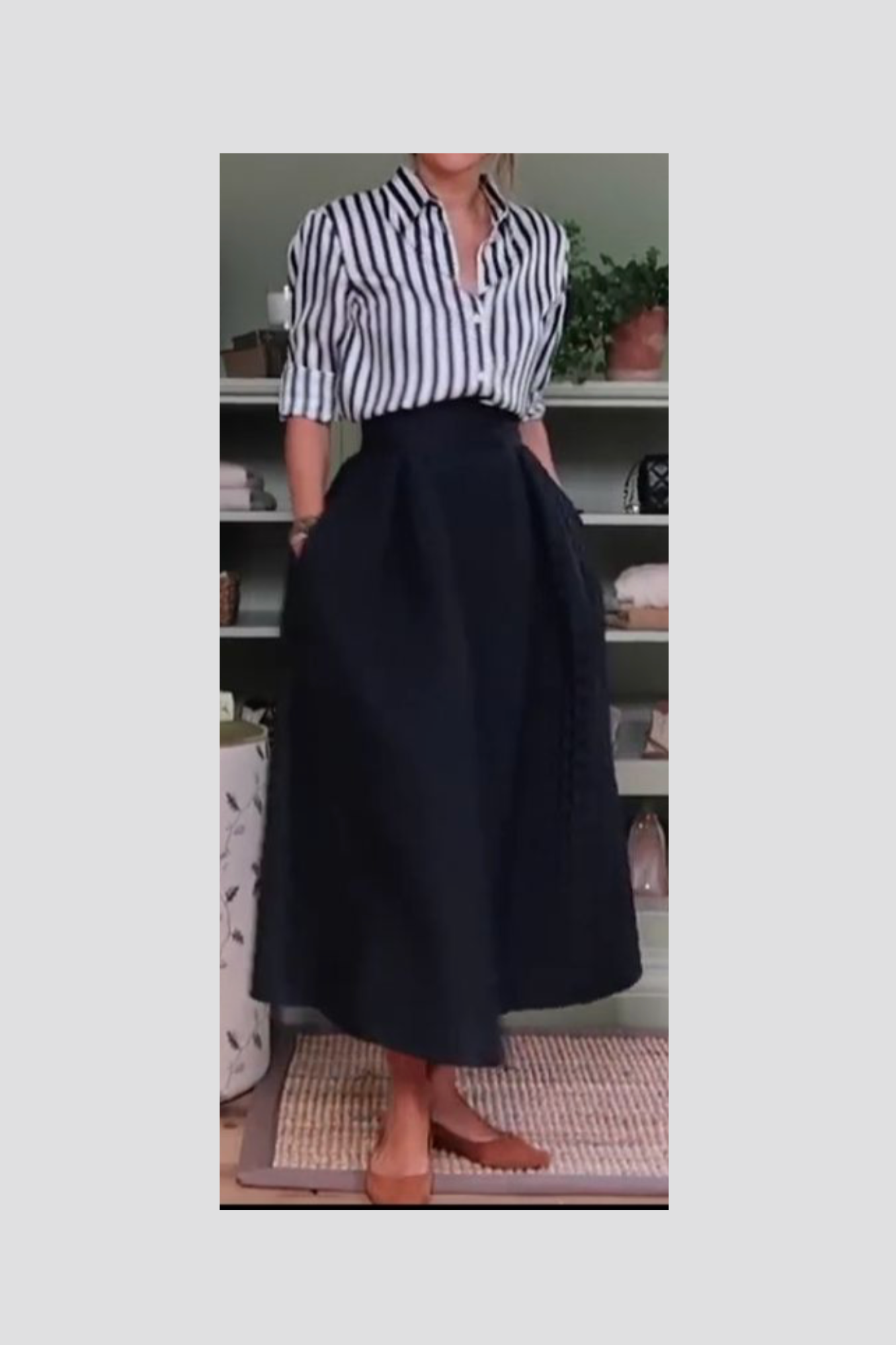
The key to a balanced silhouette is the management of visual "noise."
-
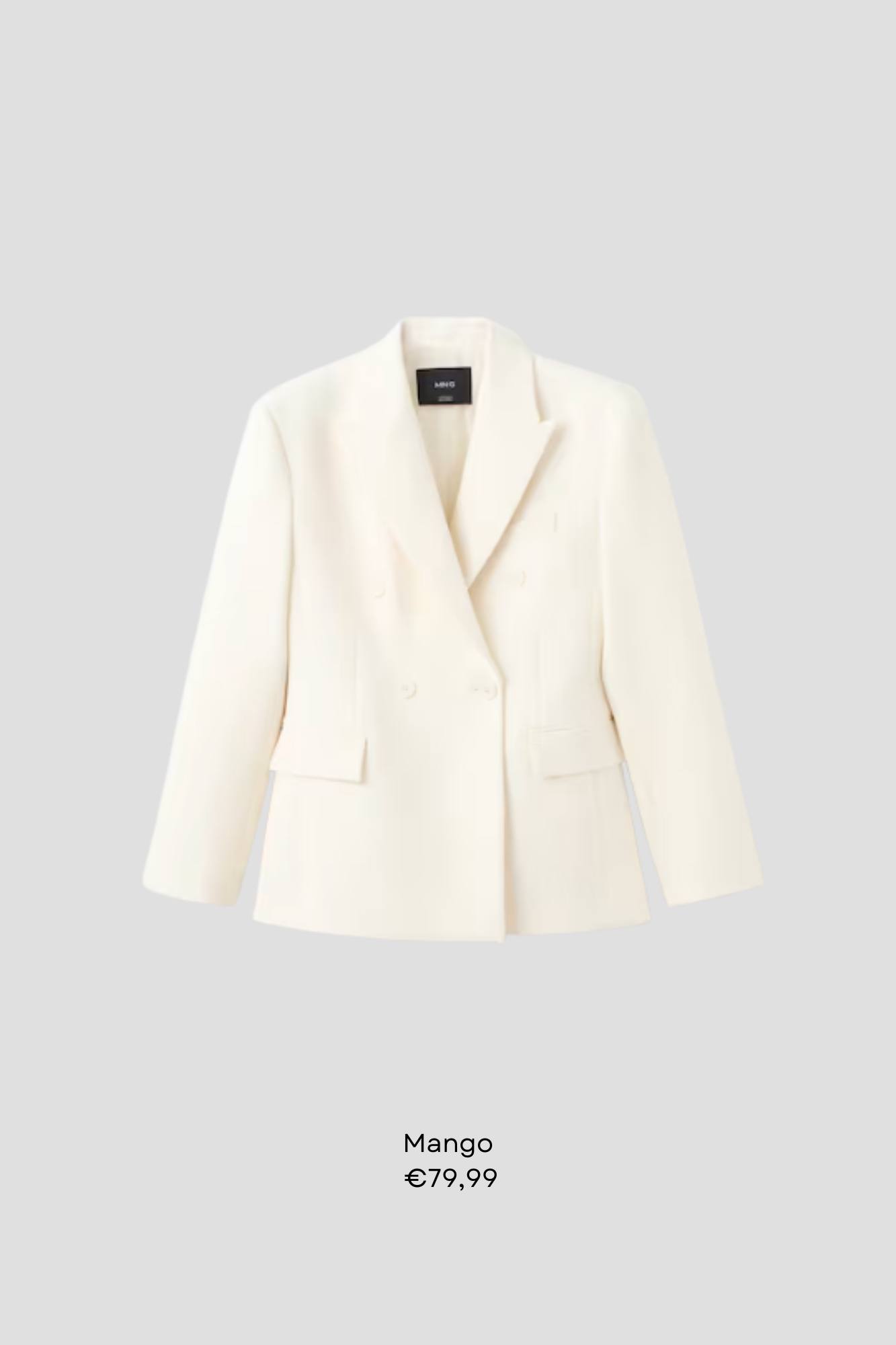
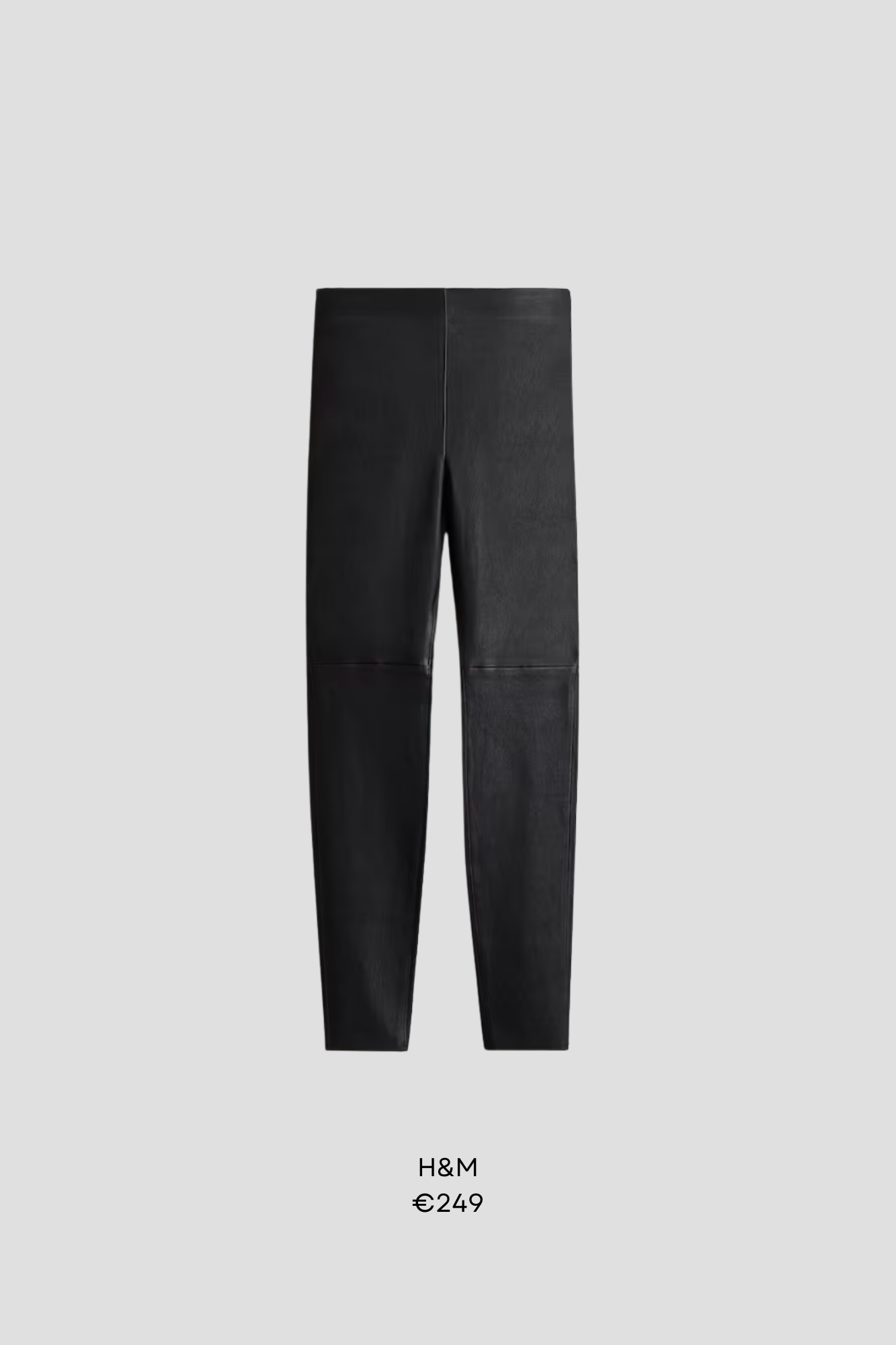
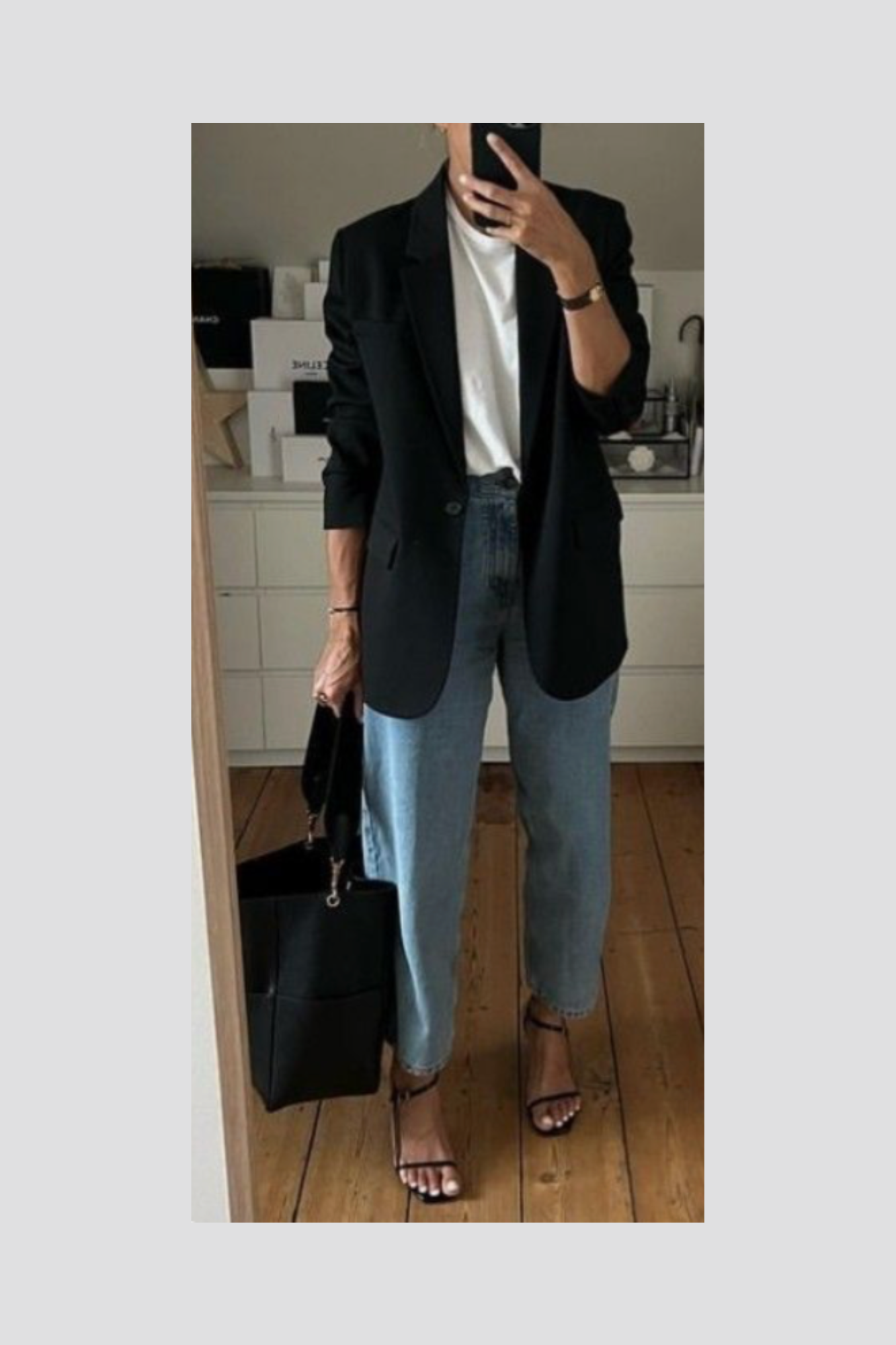
Inverse Proportions: If your choice of top is oversized or heavy (think a chunky knit or a structured blazer), the bottom should act as a streamlined anchor, such as a slim trouser or refined legging.
-
Foundation Volume: Conversely, if the base is wide and fluid, the top must provide definition. This ensures the silhouette remains architectural rather than shapeless.

FINISHING THE LINE: HEMS AND WRISTS
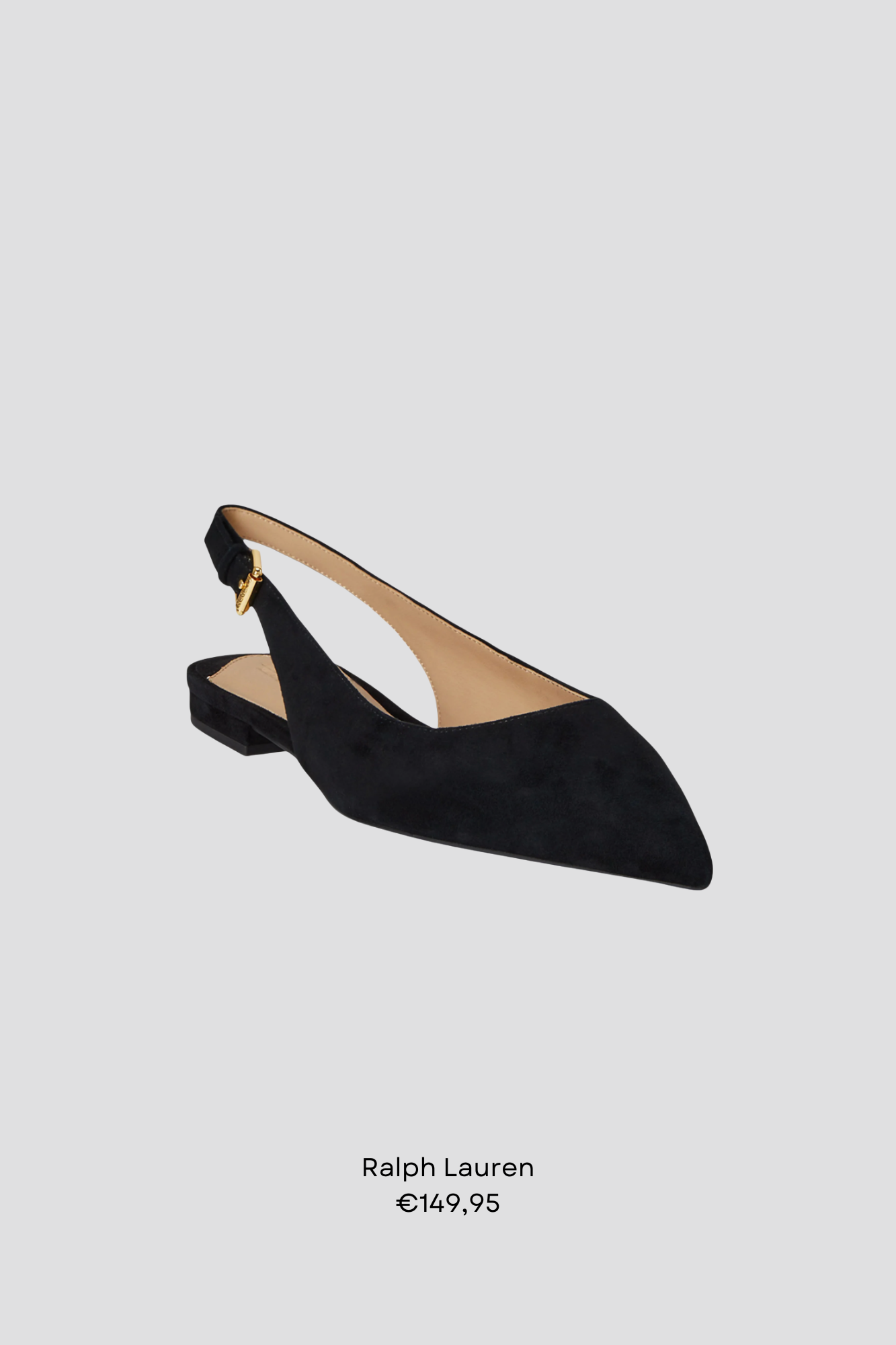
The final inches of an outfit determine its editorial success.
-
Vertical Continuity: For wide-leg silhouettes, hemlines that "kiss" the floor create an uninterrupted vertical column, adding significant perceived height.
-
The Wrist Reveal: Exposing the wrist—the narrowest structural point of the arm—instantly lightens the visual weight of heavy or oversized sleeves, making the outfit feel lived-in and deliberate.
THE INDIVIDUAL EQUATION: ADAPTING THE BLUEPRINT
While the Law of Proportions provides a universal blueprint, it is not a rigid cage. These guidelines serve as a foundation, but the final construction depends entirely on the unique landscape of your body.
KNOWING YOUR LANDSCAPE Understanding your unique silhouette is the most essential step in any styling process. Not all volumes translate equally across different frames. A rule that creates elegance on one body may require a subtle adjustment in belt placement or fabric weight on another.
INTUITION OVER FORMULA The goal of mastering these rules is to eventually move past them. Use the Rule of Thirds and the Architectural Axis as starting points, but allow your intuition to guide the final mirror check. Does the volume feel intentional? Does the structure feel supportive?
Ultimately, style is the dialogue between these universal laws and your personal reality. Use the rules to command the space, but adapt them to honor the individual silhouette you inhabit.